Yangzhou Fried Rice Recipe: Authentic Chinese Takeaway-Style with Shrimp, Char Siu & Eggs

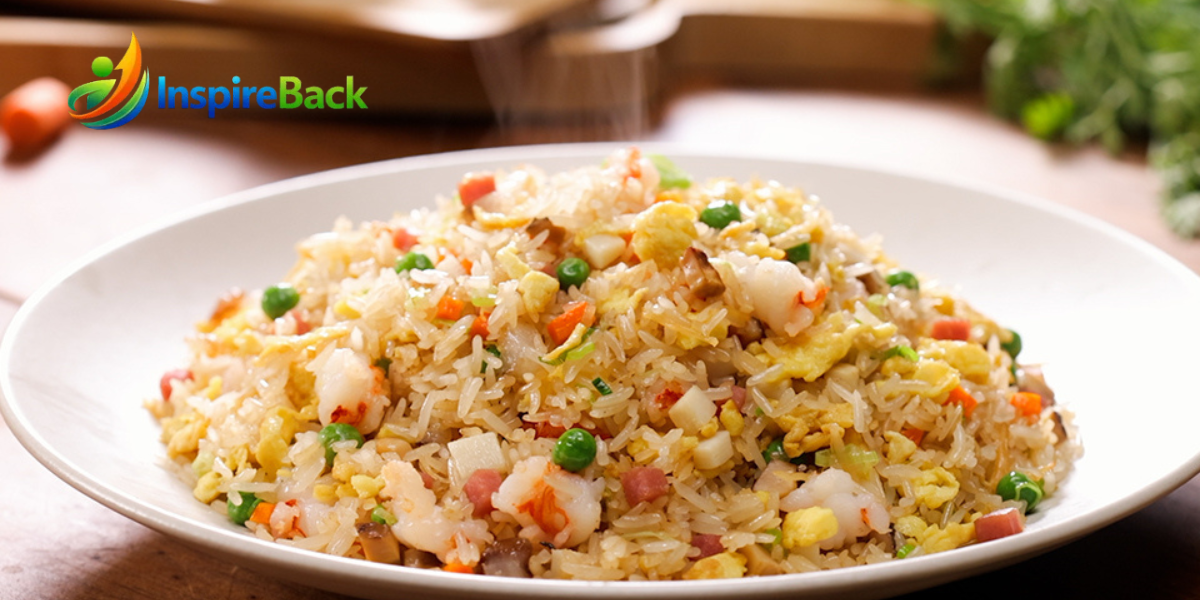
Yangzhou fried rice is one of the most iconic dishes in Chinese cuisine, known for its vibrant appearance, balanced flavor, and satisfying texture. This classic recipe goes beyond ordinary fried rice by combining premium ingredients like shrimp, char siu pork, eggs, and colorful vegetables. The result is a dish that feels both comforting and refined, making it a favorite in homes and restaurants alike.
Across the world, yangzhou fried rice has become a staple on Chinese takeaway menus. Its reputation comes from its delicate balance of savory, slightly sweet, and umami notes. Whether enjoyed in a traditional setting or prepared in a modern kitchen, this dish consistently delivers a restaurant-quality experience that keeps food lovers coming back for more.
The History and Cultural Roots of Yangzhou Fried Rice
Originating from the historic city of Yangzhou in Jiangsu Province, this dish carries centuries of culinary tradition. Yangzhou has long been celebrated for its refined cuisine, emphasizing harmony in flavor, color, and presentation. The creation of yangzhou fried rice reflects the region’s dedication to elevating simple ingredients into something elegant and memorable.
Over time, the dish evolved from a regional specialty into a national treasure. As Chinese immigrants introduced their culinary traditions abroad, yangzhou fried rice gained global recognition. Today, it represents both authenticity and adaptability, showcasing how traditional recipes can remain relevant while embracing modern tastes.
Key Ingredients That Define Authentic Flavor
Rice and Protein Selection
The foundation of exceptional yangzhou fried rice lies in the quality of its rice. Day-old jasmine rice is preferred because its slightly dry texture prevents clumping and allows each grain to remain separate during stir-frying. This ensures the final dish feels light rather than heavy, with a pleasing mouthfeel in every bite.
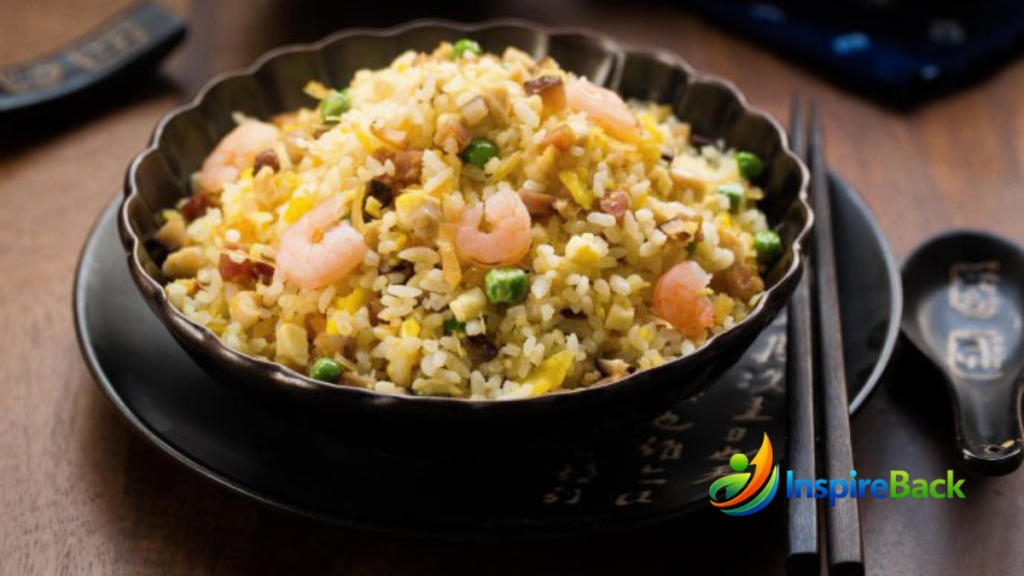
Protein plays an equally important role in defining the dish. Traditionally, shrimp and char siu pork are used to create depth and contrast. The sweetness of shrimp complements the smoky richness of the pork, forming a harmonious combination that elevates the flavor profile beyond standard fried rice recipes.
Vegetables and Seasonings
Colorful vegetables such as peas, carrots, and scallions add freshness and visual appeal. These ingredients not only brighten the dish but also provide subtle sweetness and texture. Their crispness contrasts beautifully with the tender proteins and fluffy rice, creating a dynamic culinary experience.
Seasoning is intentionally minimal to allow the ingredients to shine. Light soy sauce, salt, and sometimes a dash of white pepper enhance natural flavors without overpowering them. The simplicity of seasoning is a defining characteristic of authentic yangzhou fried rice, ensuring balance remains the central focus.
Essential Cooking Techniques for Perfect Results
High Heat and Wok Cooking
The secret to restaurant-quality yangzhou fried rice lies in high heat and swift cooking. Using a wok allows heat to distribute evenly, enabling quick stir-frying that preserves texture and flavor. This rapid cooking process prevents ingredients from becoming soggy and helps achieve the coveted smoky aroma known as wok hei.
Preparation is crucial before turning on the heat. All ingredients should be chopped, measured, and ready to go, as the cooking process moves quickly. Once the wok is hot, timing becomes essential to maintain proper texture and avoid overcooking delicate components like shrimp and eggs.
Layering Ingredients Properly
Professional chefs cook proteins, eggs, and vegetables separately before combining them with rice. This technique ensures each component retains its unique flavor and texture. Cooking everything at once can lead to uneven results and diminished taste.
When the rice is finally added, it should be gently tossed to coat evenly with oil and seasoning. The goal is to achieve evenly distributed ingredients throughout the dish. Proper layering transforms yangzhou fried rice from a simple meal into a carefully balanced masterpiece.
Flavor Profile and Texture Experience
Yangzhou fried rice offers a delightful interplay of flavors and textures. The savory notes from soy sauce and pork blend seamlessly with the sweetness of shrimp and vegetables. Each bite delivers complexity without overwhelming the palate, making the dish both comforting and sophisticated.
Texture is equally important. Fluffy rice grains contrast with tender shrimp and slightly crisp vegetables. The scrambled eggs provide softness that binds the elements together. This balance of textures creates a satisfying mouthfeel that distinguishes yangzhou fried rice from simpler fried rice variations.
Common Mistakes to Avoid
One common mistake is using freshly cooked rice, which often leads to a sticky and clumped texture. Allowing rice to cool overnight in the refrigerator ensures it remains firm and easy to separate. This small adjustment can dramatically improve the final result.
Another frequent error is overcrowding the pan or cooking on low heat. Both can cause steaming rather than stir-frying, resulting in a soggy dish. Maintaining high heat and cooking in manageable batches helps preserve the integrity of the ingredients and ensures authentic flavor.
Creative Variations and Modern Twists
While the traditional version includes shrimp and char siu pork, modern interpretations offer exciting alternatives. Some cooks substitute chicken or add additional seafood such as scallops. Vegetarian adaptations use tofu or mushrooms to replicate the savory depth of the original.
Fusion versions may incorporate spicy chili oil or unique vegetables for added flair. Despite these variations, the essence of yangzhou fried rice remains consistent: balanced flavors, vibrant presentation, and perfectly cooked rice that delivers satisfaction in every bite.
Serving Suggestions and Storage Tips
Yangzhou fried rice is best enjoyed immediately after cooking, when its aroma and texture are at their peak. It pairs well with light soups or steamed vegetables, creating a balanced and complete meal. Garnishing with freshly chopped scallions enhances both flavor and presentation.
Leftovers should be stored in an airtight container and refrigerated promptly. Reheating in a hot skillet helps restore texture and prevents excess moisture. With proper storage and reheating, the dish can maintain much of its original flavor and quality.
Conclusion
Yangzhou fried rice is more than a simple stir-fried dish; it is a celebration of culinary balance and tradition. Its combination of quality ingredients, precise technique, and harmonious flavors has secured its place as a global favorite. By mastering essential cooking principles, home cooks can recreate authentic takeaway-style results.
Whether prepared traditionally or with a modern twist, yangzhou fried rice continues to delight food enthusiasts around the world. Its timeless appeal proves that when simple ingredients are handled with care and skill, they can transform into something truly extraordinary.
Frequently asked questions
What is Yangzhou fried rice?
Yangzhou fried rice is a classic Chinese stir-fried rice dish made with shrimp, char siu pork, eggs, and mixed vegetables.
What makes Yangzhou fried rice different from regular fried rice?
Yangzhou fried rice traditionally includes both shrimp and char siu pork, giving it a richer and more balanced flavor.
Can I make Yangzhou fried rice without char siu pork?
Yes, you can substitute char siu with chicken, roast pork, or tofu for a different variation.
What type of rice is best for Yangzhou fried rice?
Day-old jasmine rice works best because it stays firm and prevents clumping during stir-frying.
Is Yangzhou fried rice healthy?
Yangzhou fried rice can be part of a balanced diet when prepared with controlled oil and lean protein.
How do I get restaurant-style flavor at home?
Cook on high heat in a wok and prepare ingredients separately before combining them for the final toss.
Can Yangzhou fried rice be stored and reheated?
Yes, store it in an airtight container in the refrigerator and reheat in a hot pan for best texture.
Also Read: chole bhature near me