
Slavic Countries: List of 13 Slavic Nations, Map, Languages, and Regions Explained

Slavic countries are nations where the majority of the population belongs to the Slavic ethnolinguistic group, sharing common cultural and linguistic roots. Spread across Central, Eastern, and Southeastern Europe, these nations represent one of the largest ethnic groups on the continent. Their languages, traditions, and historical backgrounds make slavic countries a fascinating subject for anyone interested in European history and culture. From Russia to Slovenia, these nations reflect a blend of unity and diversity that has endured for centuries.
Understanding slavic countries is essential for appreciating Europe’s cultural complexity. Despite their shared linguistic roots, each country has developed a unique identity influenced by geography, politics, and religion. The Slavic region plays a crucial role in European history, offering rich traditions, vibrant folklore, and diverse culinary practices. Today, slavic countries continue to influence modern Europe through politics, economy, and cultural heritage.
What Are Slavic Countries
Slavic countries are defined by their populations’ shared linguistic and cultural heritage. These nations speak languages from the Slavic language family, which evolved from a common ancestor centuries ago. Slavic countries are not only linked by language but also by traditions, customs, and historical experiences. Their common heritage creates a sense of unity while allowing each nation to maintain its distinct identity, making the region both culturally cohesive and diverse.
The history of slavic countries is deeply intertwined with European developments. Early Slavic tribes migrated across Europe, forming settlements that eventually evolved into modern nations. Over centuries, these countries experienced wars, alliances, and shifting borders, shaping the cultural landscape we see today. Understanding slavic countries provides insights into the evolution of languages, religions, and traditions across Europe, highlighting the enduring influence of Slavic culture.
List of Slavic Countries
Complete List of Slavic Nations
There are 13 widely recognized slavic countries: Russia, Ukraine, Belarus, Poland, the Czech Republic, Slovakia, Slovenia, Croatia, Serbia, Bosnia and Herzegovina, Montenegro, Bulgaria, and North Macedonia. These nations are identified as Slavic because the majority of their populations speak Slavic languages and share common cultural traditions. Together, they form the largest ethnolinguistic group in Europe, representing a significant portion of the continent’s cultural and linguistic diversity.
Each of these slavic countries has its own unique features, from Russia’s vast territory and rich history to Slovenia’s alpine landscapes and Croatia’s coastal beauty. Despite differences in geography and political history, these nations share linguistic roots and cultural practices that connect them across borders. Recognizing the full list of slavic countries allows readers to understand the regional distribution and cultural significance of this important European group.
Population and Geographic Distribution
Slavic countries are geographically spread across a large part of Europe. Russia alone has a population exceeding 130 million, making it the largest slavic nation in terms of both population and land area. Poland and Ukraine also have significant populations, while smaller nations like Montenegro and North Macedonia maintain their unique cultural identities within the Slavic community.
The geographic spread of slavic countries links Central, Eastern, and Southeastern Europe. This distribution has historically influenced trade, migration, and cultural exchange. The positioning of these nations has also contributed to their diverse cultural practices, as influences from neighboring regions blend with traditional Slavic customs. Understanding geography is essential to understanding the social and cultural dynamics of slavic countries.
The Three Main Groups of Slavic Countries
East Slavic Countries
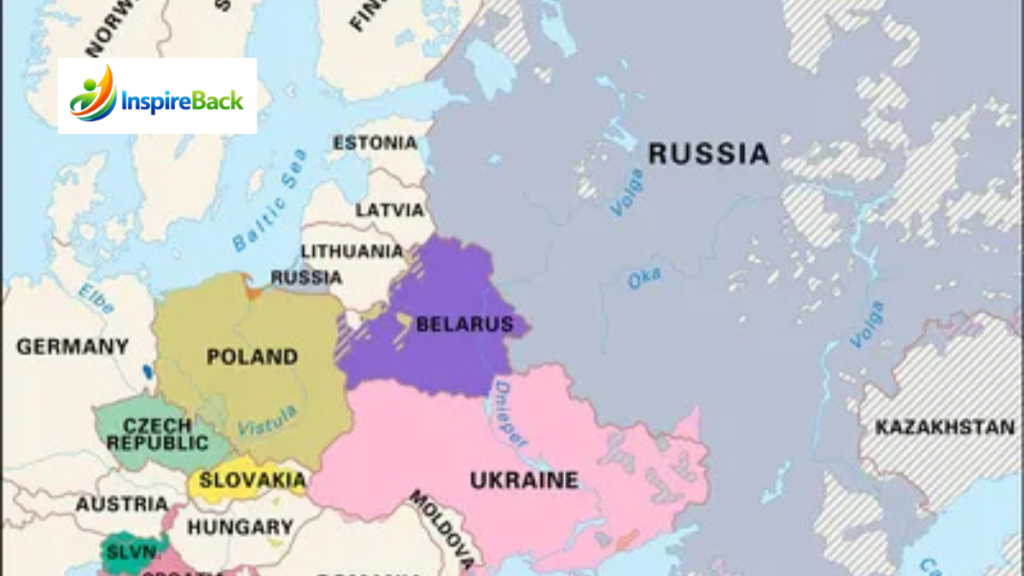
East Slavic countries include Russia, Ukraine, and Belarus. These nations share closely related languages, including Russian, Ukrainian, and Belarusian, which evolved from a common Slavic origin. Historically, these countries were influenced by Orthodox Christianity and various Eastern European empires, which shaped their social, cultural, and religious practices over centuries.
The East Slavic region is known for its literary traditions, historical architecture, and rich folklore. Despite political differences, these nations maintain strong linguistic and cultural ties. Shared customs such as traditional music, festivals, and cuisine continue to play an important role in daily life, illustrating the deep cultural cohesion among East Slavic countries.
West Slavic Countries
West Slavic countries include Poland, the Czech Republic, and Slovakia. Located in Central Europe, these nations share similar languages and cultural traditions, with languages like Polish, Czech, and Slovak closely related. Western Slavic history includes influences from medieval kingdoms, regional empires, and modern European developments, contributing to their unique identity within the Slavic world.
Cultural traditions in West Slavic countries include folk music, dance, and literature that reflect both historical continuity and local innovation. These nations have experienced significant political and social changes, yet they maintain a connection to their Slavic heritage. Understanding West Slavic countries offers insights into the cultural diversity and historical depth of the Slavic region.
South Slavic Countries
South Slavic countries include Slovenia, Croatia, Serbia, Bosnia and Herzegovina, Montenegro, Bulgaria, and North Macedonia. Most of these nations are located in the Balkan region, where centuries of cultural exchange and historical conflict shaped their development. South Slavic languages include Slovenian, Croatian, Serbian, Bulgarian, and Macedonian, all sharing common Slavic roots.
The South Slavic region is notable for its rich cultural heritage, including traditional music, religious practices, and festivals. Despite differences in religion and history, these nations maintain strong cultural and linguistic connections. Exploring South Slavic countries provides a broader understanding of how geography and history influence Slavic identity.
Slavic Languages and Alphabets
Major Slavic Languages
Slavic countries speak languages from the Slavic branch of the Indo-European language family. Some of the most widely spoken languages include Russian, Polish, Ukrainian, Czech, Bulgarian, and Serbian. While each language has unique characteristics, they share a common root, making cross-language understanding easier for speakers of closely related languages.
The diversity of Slavic languages reflects the historical, geographic, and cultural differences among slavic countries. Language is a crucial marker of identity, preserving traditions, literature, and folklore. Understanding these languages helps in appreciating the cultural richness and interconnectedness of slavic countries across Europe.
Cyrillic vs Latin Alphabet
A notable feature of slavic countries is the use of two main writing systems. Countries such as Russia, Belarus, Serbia, and Bulgaria use the Cyrillic alphabet, while Poland, the Czech Republic, Slovakia, Croatia, and Slovenia primarily use the Latin alphabet. The choice of script is influenced by historical, religious, and cultural factors.
Despite differences in alphabets, languages across slavic countries share many similarities. This combination of Cyrillic and Latin scripts reflects the diversity of Slavic culture. Both alphabets continue to play an essential role in communication, education, and preserving literary traditions throughout the Slavic world.
Map of Slavic Countries
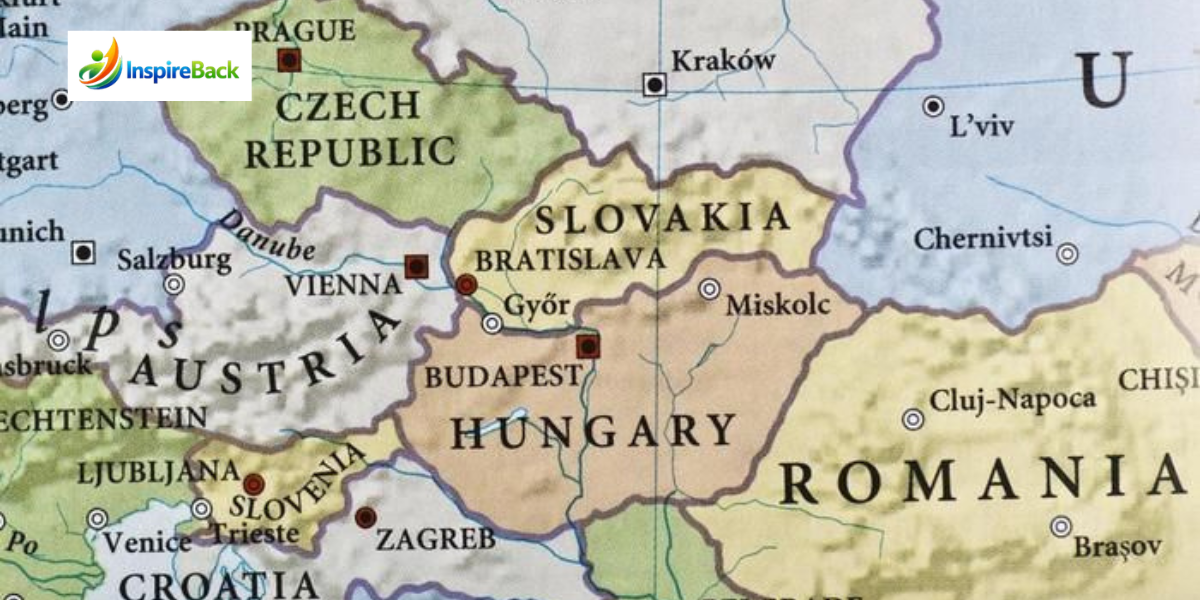
A map of slavic countries illustrates the geographic distribution of these nations across Europe. East Slavic countries lie primarily in Eastern Europe, West Slavic nations occupy Central Europe, and South Slavic countries are concentrated in the Balkans. This regional grouping highlights both cultural and linguistic patterns.
Geography has shaped the history, economy, and culture of slavic countries. Rivers, mountains, and plains influenced trade, settlement, and interaction between nations. Viewing a map of slavic countries provides a visual understanding of how these nations are interconnected, emphasizing both shared heritage and regional diversity.
Culture and Traditions in Slavic Countries
Shared Cultural Elements
Slavic countries share many cultural elements, including traditional music, folklore, festivals, and cuisine. Folk dances, songs, and storytelling are central to celebrations and daily life, reflecting centuries of shared heritage. Cuisine often includes hearty dishes such as soups, dumplings, and breads, which are common across many Slavic nations.
Traditional crafts, clothing, and art also play an important role in preserving Slavic identity. From embroidery to pottery, cultural practices pass from one generation to the next. These shared elements create a sense of unity among slavic countries, even as each nation maintains its unique customs and regional variations.
Religious and Historical Influences
Religion has historically shaped life in slavic countries. Eastern Slavs generally follow Orthodox Christianity, while Western and some South Slavs are predominantly Catholic. Religion influences festivals, architecture, and daily customs, contributing to the cultural richness of each nation.
Historical empires, migrations, and political changes have also left lasting impacts. The blending of local traditions with foreign influences over centuries has created the unique cultural landscape seen across slavic countries today. Understanding these factors is essential for appreciating the depth and diversity of the Slavic world.
Why Slavic Countries Are Important in Europe
Slavic countries play a major role in European culture, history, and geopolitics. Their large populations, geographic location, and cultural heritage give them considerable influence on the continent. From historic trade routes to modern diplomacy, slavic countries have been central to European development.
In addition to political and economic significance, slavic countries contribute to Europe’s cultural richness. Tourism, festivals, literature, and art from these nations attract visitors worldwide. The continued preservation of traditions ensures that slavic countries remain an important part of Europe’s identity and global cultural landscape.
Conclusion
Slavic countries form a diverse yet connected cultural region spanning Europe. From Russia and Poland to Slovenia and Serbia, these nations share linguistic roots, historical traditions, and cultural practices. Their languages, maps, and customs reflect a rich tapestry of heritage that continues to influence Europe today.
Understanding slavic countries provides insight into how geography, history, and language shape national identities. Despite modern differences, these nations remain united by their shared Slavic heritage, offering a glimpse into one of Europe’s largest and most fascinating cultural regions.
Frequently Asked Questions
What are slavic countries
Slavic countries are nations where the majority of the population belongs to the Slavic ethnic and linguistic group and speaks a Slavic language.
How many slavic countries exist
There are thirteen widely recognized slavic countries across Central, Eastern, and Southeastern Europe.
What are the three groups of slavic countries
The Slavic world is divided into East Slavs, West Slavs, and South Slavs, based on language and geographic location.
Which is the largest slavic country
Russia is the largest slavic country by land area and population.
Do all slavic countries speak the same language
No, each slavic country has its own language, though many share common roots and vocabulary.
Also Read: what is an ep