
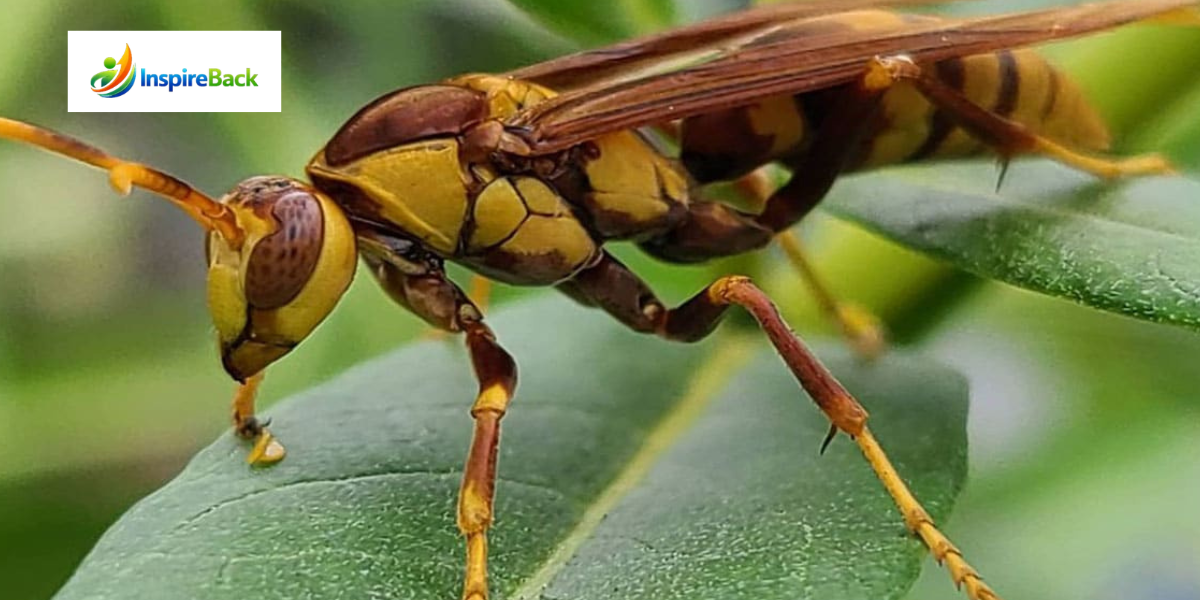
Executioner Wasp: The World’s Most Painful Sting, Facts, Size, and Danger Explained

The executioner wasp is one of the most fascinating yet fearsome insects found in tropical regions. Renowned for its powerful sting, it has earned a global reputation as one of the most painful stinging insects. Its striking yellow and brown body, combined with its long legs and sharp mandibles, makes it instantly recognizable. For nature enthusiasts and researchers, the executioner wasp is both a marvel and a cautionary creature to study.
Learning about the executioner wasp provides insight into the diversity of insect life and the complexity of neotropical ecosystems. From its hunting habits to its intricate nest-building behavior, this insect plays an essential role in controlling pest populations. Understanding its behavior and habitat is key for safely observing it in the wild while appreciating its ecological importance.
What Is an Executioner Wasp?
Scientific Classification
The executioner wasp, scientifically known as Polistes carnifex, belongs to the family Vespidae, which includes paper wasps, hornets, and yellowjackets. This species is part of the Polistes genus, known for building open, umbrella-shaped nests and displaying social behavior. Polistes carnifex stands out among its relatives due to its large size and potent venom, making it a remarkable subject for entomologists and insect enthusiasts.
This species is commonly called the executioner wasp because of the severity of its sting. The Latin name “carnifex” translates to “executioner,” reflecting its painful defensive capability. Despite its intimidating name, the executioner wasp is not inherently aggressive, usually stinging humans only when provoked or its nest is threatened.
Origin of the Name Executioner Wasp
The executioner wasp earned its name from the extreme pain of its sting, which is considered one of the most intense among stinging insects worldwide. Reports describe the sting as a sharp, burning sensation that can last several minutes, leaving a lasting impression on anyone who has encountered it. This painful defense mechanism is essential for protecting the colony from predators.
Although the name suggests danger, the executioner wasp primarily uses its sting for defense rather than attack. It rarely pursues humans, instead focusing on protecting its nest and young. The dramatic name simply highlights the wasp’s ability to inflict significant pain rather than its natural aggression.
Physical Characteristics and Identification
Size and Appearance
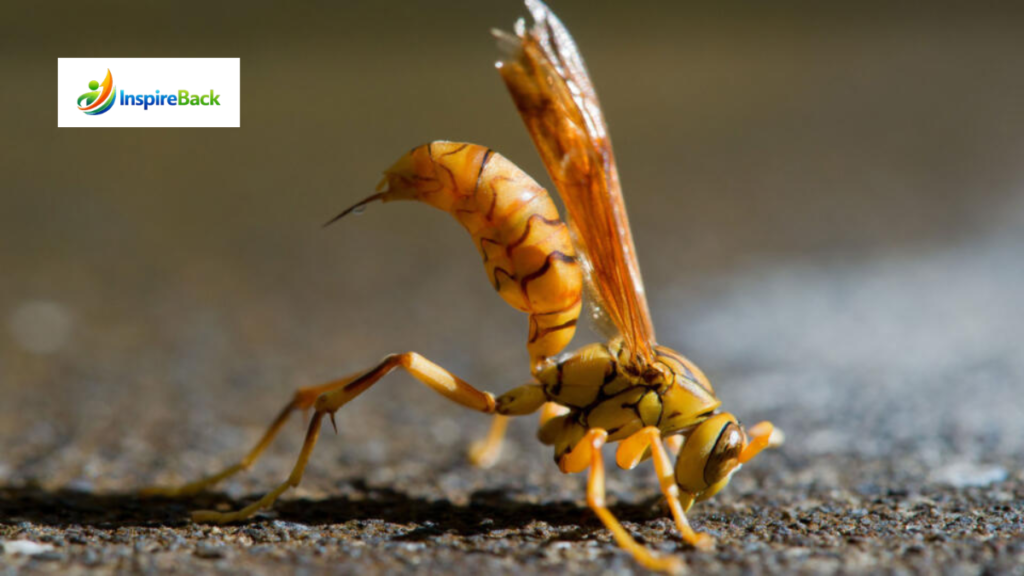
The executioner wasp is among the largest paper wasps in the neotropical regions, reaching lengths of up to 3 centimeters. Its body exhibits a striking combination of yellow, brown, and reddish hues that make it easily identifiable. The insect’s long legs, narrow waist, and strong mandibles give it a unique silhouette, allowing it to hunt and defend efficiently.
The wings of the executioner wasp are slightly translucent, often held in a folded position when at rest. Its elongated abdomen and segmented body are distinguishing features, making it different from other smaller wasp species. These physical traits not only help with survival but also serve as visual cues for identification in the wild.
How to Identify an Executioner Wasp
Identifying an executioner wasp involves observing its body size, coloration, and nest structure. Compared to hornets or yellowjackets, it appears more slender and elongated, with a prominent waist and long legs. Its nests are made from chewed plant fibers, forming a paper-like material that is both lightweight and durable.
Executioner wasp nests often hang from tree branches, roof edges, or sheltered outdoor structures. Each nest contains multiple cells for laying eggs and nurturing young larvae. Observing these nests from a safe distance is one of the most reliable ways to identify the species without direct interaction.
Habitat and Geographic Distribution
Where Executioner Wasps Live
The executioner wasp is native to tropical and subtropical regions of Central and South America. It thrives in warm climates, particularly in forests, gardens, and rural landscapes rich in vegetation. The presence of water sources and abundant insect prey also supports their populations, making these areas ideal for survival.
Executioner wasps are adaptable and sometimes venture into human-inhabited areas, especially where nests can be built undisturbed. While these wasps are fascinating to observe, maintaining caution around their habitat is essential for safety and coexistence.
Nesting Habits
Executioner wasps construct nests using a mixture of plant fibers and saliva, creating a paper-like material. These nests are typically umbrella-shaped, allowing for airflow and easy access for adult wasps. The nests serve as a safe environment for eggs and larvae while providing protection from predators.
Each nest may host several dozen cells, where larvae grow until they are ready to emerge. Adult workers take turns defending the nest, maintaining its structure, and feeding larvae. These nesting habits reflect the executioner wasp’s social structure and cooperative behavior.
Behavior and Diet
Social Behavior
The executioner wasp is a social insect, living in colonies with a clear hierarchy. Colonies are led by a queen, while worker wasps handle tasks like nest building, hunting, and defense. Communication within the colony relies on chemical signals and body movements, ensuring efficient coordination.
This social structure allows the executioner wasp to thrive in various environments. By working together, colonies can protect young larvae, defend the nest, and hunt efficiently, demonstrating the importance of cooperation in insect survival strategies.
Feeding Habits
Executioner wasps are predators, feeding primarily on other insects such as caterpillars, flies, and small arthropods. These insects are caught and carried back to the nest to feed developing larvae. Adult wasps also consume nectar and sweet plant juices for energy, supplementing their diet.
Their predatory behavior helps control insect populations, indirectly benefiting plants and crops. The executioner wasp thus plays a crucial role in maintaining ecological balance and preventing pest outbreaks in tropical ecosystems.
The Executioner Wasp Sting
How Painful Is the Sting?
The executioner wasp is infamous for its sting, often described as an intense, sharp, and burning sensation. Unlike many other stinging insects, the pain is immediate and can last several minutes, leaving swelling and redness in the affected area. Many entomologists rank it among the most painful insect stings in the world.
Despite its reputation, the sting is rarely life-threatening to healthy individuals. Most people experience temporary discomfort, though allergic reactions can cause more severe complications. Understanding its sting and how to respond is vital for anyone in regions where these wasps are present.
Why the Sting Is So Powerful
The venom of the executioner wasp contains chemicals that trigger extreme pain responses in nerve endings. This venom also causes localized inflammation and irritation, effectively deterring predators. Its sting is a defensive adaptation, allowing the wasp to protect its nest and offspring from threats.
The executioner wasp uses this defense strategically rather than aggressively. While humans may encounter the sting accidentally, the insect primarily targets threats near its nest, demonstrating an evolved survival mechanism that balances risk and defense.
Is the Executioner Wasp Dangerous to Humans?
Potential Health Risks
For most individuals, a sting from an executioner wasp causes temporary pain, swelling, and redness. However, people with insect allergies may experience severe reactions, including difficulty breathing, dizziness, or widespread swelling. Such cases require immediate medical attention to prevent complications.
Although potentially dangerous to allergic individuals, the executioner wasp is not typically aggressive. Most stings occur when the insect is provoked or its nest is disturbed. By understanding its behavior, people can minimize risks while respecting the insect’s ecological role.
What to Do If You Are Stung
If stung by an executioner wasp, the first step is to clean the affected area with soap and water. Applying a cold compress can reduce swelling and ease discomfort. Over-the-counter pain relievers and antihistamines can also help manage pain and allergic reactions.
For severe reactions, including difficulty breathing or rapid swelling, seek medical attention immediately. Taking prompt action ensures safety and reduces the likelihood of complications, particularly for individuals with known insect sting allergies.
How to Avoid or Prevent Executioner Wasp Encounters
Prevention Tips
Avoiding encounters with executioner wasps starts with awareness of their habitat. Observing trees, roof eaves, and garden vegetation before approaching helps prevent accidental disturbances. Wearing protective clothing and avoiding strong perfumes can also reduce the likelihood of attracting these wasps.
Remaining calm and moving slowly near nests is essential. Sudden movements or attempts to swat the wasp may provoke defensive behavior. Respecting the insect’s space ensures both human safety and the wasp’s natural behavior remains undisturbed.
Safe Removal and Pest Control
If a nest is located near a human activity area, professional pest control is recommended. Experts can safely remove nests using protective equipment and techniques that prevent multiple stings. Attempting nest removal without proper knowledge is risky and can lead to severe stings.
Professional removal also ensures that the ecological role of the executioner wasp is not unnecessarily disrupted. Safely relocating or managing nests maintains the balance between human safety and environmental responsibility.
Conclusion
The executioner wasp is a remarkable insect known for its large size, social behavior, and one of the most painful stings in the insect world. While its sting can be intense, the species plays a vital role in controlling insect populations and supporting ecological balance. By understanding its habits, appearance, and defensive behavior, humans can safely observe and respect this fascinating creature.
Frequently Asked Questions
What is an executioner wasp?
The executioner wasp is a large tropical paper wasp species, scientifically known as Polistes carnifex, recognized for its potent sting.
How painful is the executioner wasp sting?
It is considered one of the most painful insect stings, producing sharp, burning pain lasting several minutes.
Where are executioner wasps found?
They are native to tropical and subtropical regions of Central and South America, often inhabiting forests and gardens.
How big is an executioner wasp?
Adults usually grow between 2.5 and 3 centimeters in length, making them larger than most paper wasps.
Are executioner wasps aggressive?
They are defensive rather than aggressive, stinging mainly when their nest is threatened.
What should you do if stung by an executioner wasp?
Clean the area, apply a cold compress, and seek medical help if severe reactions occur.
Are executioner wasps useful in nature?
Yes, they help control pest insects and maintain ecological balance in tropical ecosystems.
Also Read: slavic countries