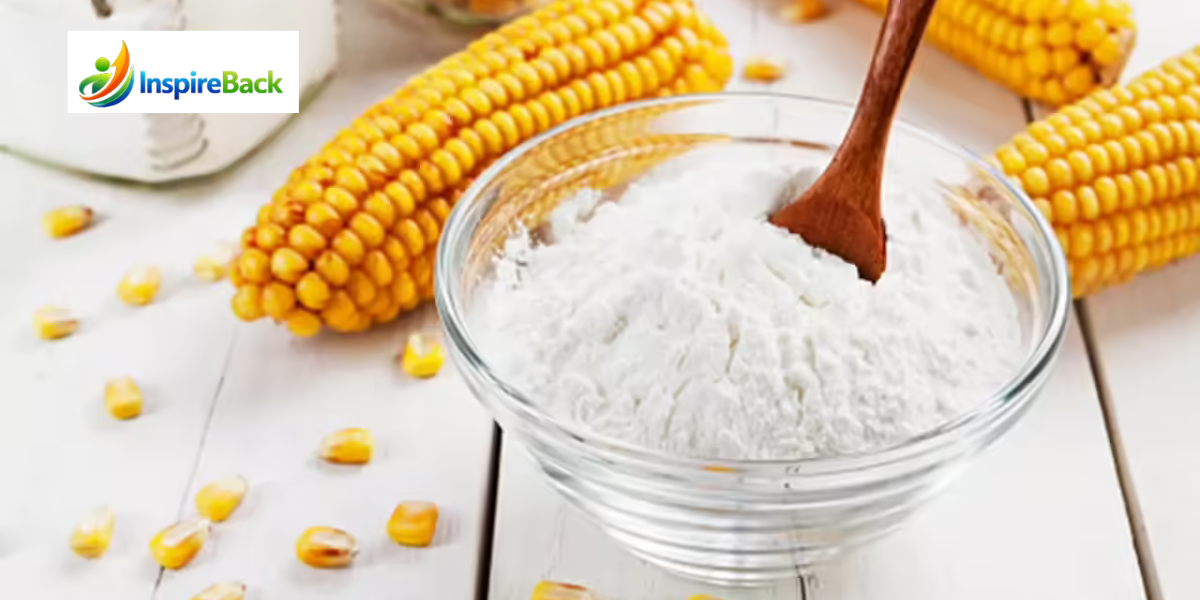
Corn Starch: The Ultimate Guide to Uses, Benefits, Recipes, and Substitutes

Corn starch is one of those simple kitchen ingredients that quietly plays a powerful role in everyday cooking and beyond. Found in almost every pantry, this fine white powder is extracted from corn and is widely used as a thickening agent in soups, sauces, gravies, and desserts. Despite its humble appearance, corn starch is incredibly versatile and extends far beyond culinary use, making it a must-have item for both home cooks and homemakers alike.
In today’s world, where people are constantly looking for multi-purpose, budget-friendly, and easy-to-use ingredients, corn starch stands out as a reliable solution. From enhancing the texture of your favorite dishes to solving common household problems, it offers endless possibilities. This guide explores everything you need to know about corn starch, including its benefits, uses, substitutes, and practical tips to help you get the most out of it.
What Is Corn Starch?
Corn starch is a refined carbohydrate extracted from the endosperm of corn kernels. The production process involves separating the starch from the protein and fiber components of corn, resulting in a soft, powdery substance. It is odorless, tasteless, and highly effective at absorbing moisture, which makes it ideal for thickening and binding ingredients in cooking and baking.
One common confusion is the difference between corn starch and corn flour. While both come from corn, they are not the same. Corn starch is purely the starch component, whereas corn flour is made by grinding whole corn kernels into a fine powder. This distinction is important because they behave differently in recipes. Corn starch provides a smooth, glossy texture, while corn flour adds a more grainy consistency.
In terms of appearance and storage, corn starch is usually sold in airtight containers or boxes to protect it from moisture. Its long shelf life and ease of storage make it a practical ingredient for households worldwide. Whether you are preparing a delicate sauce or experimenting with baking, understanding what corn starch is and how it works is the first step toward mastering its use.
Nutritional Value of Corn Starch
Corn starch is primarily composed of carbohydrates, making it a quick source of energy. A typical serving contains calories derived almost entirely from carbs, with negligible amounts of protein, fat, vitamins, or minerals. While it may not be nutrient-dense, it plays a functional role in food preparation that cannot be easily replaced.
For individuals following a gluten-free diet, corn starch is a valuable ingredient. It naturally contains no gluten, making it a safe alternative for thickening sauces and preparing baked goods for those with gluten intolerance or celiac disease. However, because it is highly refined, it lacks the fiber and nutrients found in whole grains.
Another important consideration is its impact on blood sugar levels. Corn starch has a high glycemic index, meaning it can cause a rapid spike in blood glucose when consumed in large amounts. For this reason, moderation is key, especially for people managing diabetes or aiming for balanced nutrition. While it is not inherently unhealthy, it should be used thoughtfully as part of a well-rounded diet.
Top Uses of Corn Starch

Corn starch is best known for its role in cooking, where it acts as a powerful thickening agent. When mixed with liquid and heated, it forms a smooth, glossy consistency that enhances soups, sauces, and gravies. It is also commonly used in baking to soften textures, making cakes lighter and cookies more tender. In frying, a light coating of corn starch creates a crispy, golden crust that is hard to achieve with other ingredients.
Beyond the kitchen, corn starch proves to be incredibly useful in household tasks. It can be used as a natural cleaner to remove stains from fabrics, polish glass surfaces, and even freshen up carpets. Its moisture-absorbing properties make it effective for eliminating odors, which is why many people use it as a natural deodorizer.
In the world of beauty and personal care, corn starch offers simple and affordable solutions. It can be applied as a dry shampoo to absorb excess oil from hair or used to soothe irritated skin. Many people also use it in DIY face masks and powders due to its gentle and non-irritating nature. This wide range of uses highlights why corn starch is more than just a cooking ingredient—it’s a versatile everyday essential.
How to Use Corn Starch Correctly
Using corn starch properly can make a significant difference in the outcome of your recipes. One of the most important techniques is creating a slurry, which involves mixing corn starch with cold water before adding it to hot liquids. This step prevents lumps and ensures a smooth texture. Adding dry corn starch directly to hot mixtures can cause clumping, which is difficult to fix later.
Timing is also crucial when working with corn starch. It should typically be added toward the end of the cooking process, as prolonged heat can break down its thickening properties. Stirring continuously while adding the slurry helps distribute it evenly and achieve the desired consistency without over-thickening.
Another key factor is using the correct amount. Too little corn starch may not thicken your dish effectively, while too much can result in a gummy or overly thick texture. Following recipe guidelines and making gradual adjustments can help you achieve the perfect balance. With a bit of practice, mastering corn starch techniques becomes easy and greatly improves your cooking results.
Corn Starch Substitutes
There are times when you may run out of corn starch or need an alternative due to dietary preferences. Fortunately, several substitutes can deliver similar results. Flour is one of the most common options, though it requires a larger quantity and produces a slightly different texture. Arrowroot powder is another excellent substitute, known for its clear and glossy finish.
Potato starch and tapioca starch are also popular alternatives, especially in gluten-free cooking. These substitutes work well in thickening sauces and creating smooth textures, though each has its own unique properties. For example, tapioca starch provides a slightly chewy consistency, making it ideal for certain desserts.
Choosing the right substitute depends on the recipe and desired outcome. While no replacement is exactly identical to corn starch, understanding the strengths of each option allows you to adapt your cooking without compromising quality. Experimenting with these alternatives can even lead to discovering new textures and flavors.
Benefits and Drawbacks of Corn Starch
One of the biggest advantages of corn starch is its versatility. It is affordable, widely available, and easy to use, making it accessible to people from all walks of life. Its ability to improve texture, enhance crispiness, and solve everyday problems adds to its appeal as a multi-purpose ingredient.
However, corn starch also has its limitations. It is low in nutrients and should not be relied upon as a primary source of energy. Its high glycemic index can be a concern for individuals monitoring their blood sugar levels. Additionally, excessive use in processed foods may contribute to an unbalanced diet.
Despite these drawbacks, corn starch remains a valuable ingredient when used in moderation. Its benefits often outweigh its limitations, especially when incorporated thoughtfully into recipes and daily routines. Understanding both sides helps you make informed decisions and use it effectively.
Storage and Shelf Life
Proper storage is essential to maintain the quality of corn starch. It should be kept in a cool, dry place, away from moisture and direct sunlight. Using an airtight container helps prevent clumping and extends its shelf life, ensuring it remains fresh for longer periods.
Corn starch typically has a long shelf life and does not spoil easily if stored correctly. However, exposure to humidity can cause it to form lumps or develop an off texture. Checking for any unusual odor or discoloration can help determine whether it is still safe to use.
By following simple storage practices, you can keep corn starch in excellent condition for months or even years. This reliability adds to its convenience as a pantry staple, ready to be used whenever needed.
Conclusion
Corn starch is a simple yet powerful ingredient that offers countless benefits in cooking, household tasks, and personal care. Its ability to transform textures, enhance flavors, and provide practical solutions makes it an essential part of everyday life. While it may not be rich in nutrients, its functional value is unmatched.
By understanding how to use corn starch correctly, exploring its substitutes, and storing it properly, you can unlock its full potential. Whether you are a beginner or an experienced cook, incorporating corn starch into your routine can make a noticeable difference. It truly is a small ingredient with a big impact.
Frequently asked questions
What is corn starch used for?
Corn starch is mainly used for thickening sauces, soups, and gravies, as well as in baking and frying.
Is corn starch the same as corn flour?
No, corn starch is pure starch, while corn flour is made from whole corn kernels.
Can I use corn starch instead of flour?
Yes, but you may need to adjust the quantity and method depending on the recipe.
Is corn starch healthy for daily consumption?
It is safe in moderation but should not replace nutrient-rich foods.
How do you thicken sauce with corn starch?
Mix it with cold water to form a slurry, then add it to hot sauce while stirring.
What are the best substitutes for corn starch?
Arrowroot powder, potato starch, tapioca starch, and flour are common alternatives.
Can corn starch be used for skin care?
Yes, it can soothe irritation and absorb excess oil when used properly.
Does corn starch expire?
It has a long shelf life but should be stored properly to maintain quality.
Also Read: have a seat labubu