
Miter Saw Mastery: The Ultimate Guide to Precision Cutting and Smart Buying

A miter saw is one of the most essential power tools for anyone involved in woodworking, carpentry, or home improvement. Designed to make precise crosscuts and angled cuts, this versatile tool has become a staple in both professional workshops and DIY garages. Whether you’re installing crown moulding or building furniture, a miter saw offers the accuracy and efficiency needed to achieve clean, professional results.
In today’s fast-paced world of home improvement, having the right tool can make all the difference. A miter saw not only saves time but also enhances the quality of your work. This comprehensive guide explores everything you need to know—from understanding the basics to choosing the right model, using it safely, and maintaining it for long-term performance.
What is a Miter Saw?
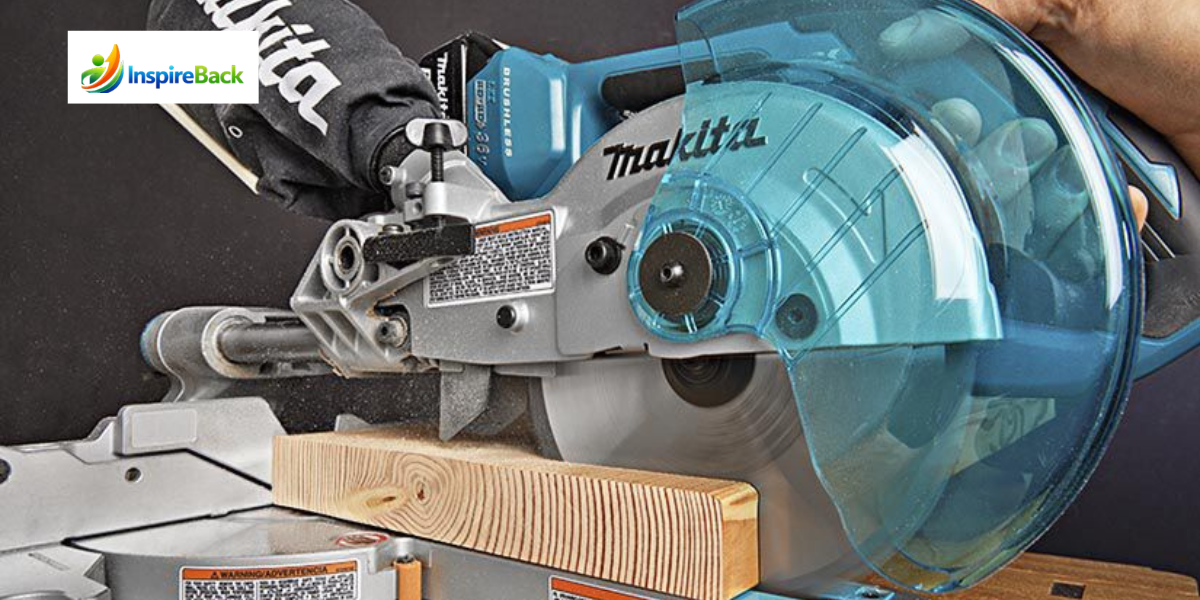
A miter saw is a specialised cutting tool designed to make accurate crosscuts and mitre cuts in a workpiece. It typically features a circular blade mounted on a swing arm that pivots left or right to produce angled cuts. This makes it ideal for tasks that require precision, such as trimming, framing, and decorative woodworking.
The main components of a miter saw include the blade, fence, table, motor, and bevel adjustment system. Each part plays a crucial role in ensuring accuracy and ease of use. The fence keeps the material stable, while the bevel adjustment allows the blade to tilt for angled cuts. Together, these features enable users to perform a wide range of cutting tasks efficiently.
Miter saws are widely used in woodworking, carpentry, and construction. From cutting wooden boards to shaping mouldings, the tool provides unmatched precision. Its ability to handle both straight and angled cuts makes it a go-to solution for professionals and hobbyists alike.
Types of Miter Saws
There are several types of miter saws available, each designed for specific tasks and user needs. Understanding these variations can help you choose the right tool for your projects.
A standard miter saw is the simplest type, capable of making basic crosscuts and mitre cuts. It is ideal for beginners and light-duty tasks. On the other hand, a compound miter saw adds the ability to make bevel cuts, allowing the blade to tilt in one direction. This feature is particularly useful for more complex woodworking tasks.
Sliding compound miter saws take versatility to the next level. They feature a sliding mechanism that allows the blade to move forward and backward, increasing the cutting capacity. This makes them suitable for cutting wider boards and larger materials. Dual bevel miter saws further enhance efficiency by allowing the blade to tilt in both directions, eliminating the need to flip the material.
Another important consideration is whether to choose a corded or cordless model. Corded miter saws offer consistent power, while cordless options provide portability and convenience. The choice ultimately depends on your working environment and project requirements.
Key Features to Consider When Buying a Miter Saw
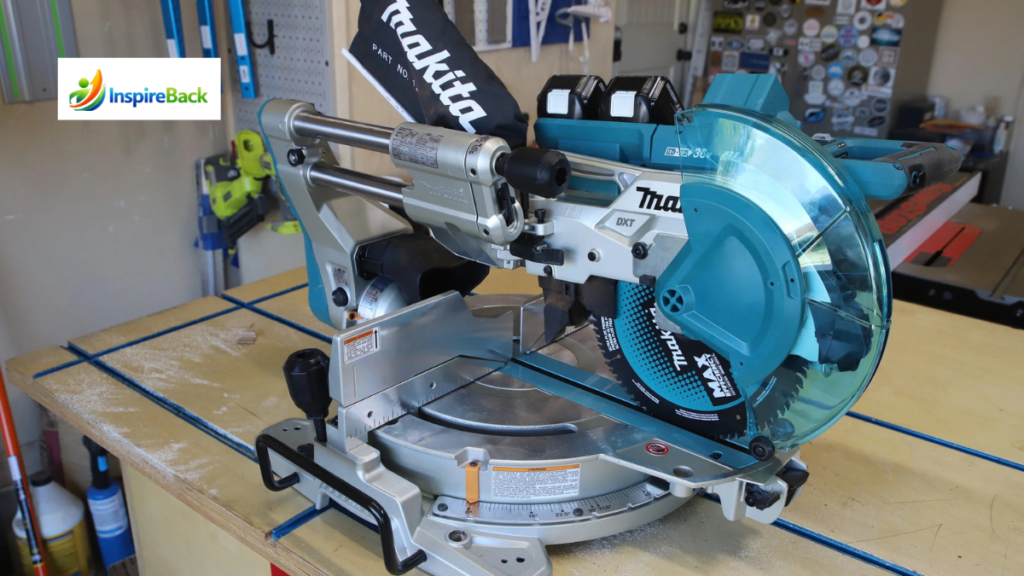
When purchasing a miter saw, several key features should be taken into account to ensure you get the best value for your investment. One of the most important factors is blade size. Common sizes include 8-inch, 10-inch, and 12-inch blades, with larger blades offering greater cutting capacity.
Motor power is another critical aspect. A more powerful motor ensures smoother cuts, especially when working with dense materials. Additionally, consider the cutting capacity and angle range, as these determine the versatility of the saw. A wider angle range allows for more complex cuts, making the tool suitable for advanced projects.
Safety features should never be overlooked. Look for models with blade guards, electric brakes, and secure locking systems. These features help prevent accidents and ensure safe operation. Dust collection systems are also beneficial, as they keep your workspace clean and improve visibility during cutting.
Finally, consider portability and build quality. If you need to move your saw frequently, a lightweight and compact design is essential. At the same time, a durable build ensures long-term reliability. Balancing these factors with your budget will help you make an informed decision.
How to Use a Miter Saw Safely and Effectively
Using a miter saw safely requires a combination of proper setup, careful handling, and adherence to safety guidelines. Before starting, ensure the saw is placed on a stable surface and properly aligned. Check that the blade is sharp and securely attached, as a dull or loose blade can compromise both safety and accuracy.
When making a cut, always measure and mark your material carefully. Position the workpiece firmly against the fence and hold it securely in place. Lower the blade slowly and steadily, allowing it to reach full speed before making contact with the material. This ensures a clean and precise cut.
Safety precautions are essential when operating a miter. Always wear protective gear, including safety glasses and hearing protection. Keep your hands away from the blade and never attempt to adjust the saw while it is running. Additionally, avoid rushing through cuts, as this can lead to mistakes and potential hazards.
By following these guidelines, you can maximise both safety and efficiency. With practice, you will develop the confidence and skill needed to handle a wide range of cutting tasks with ease.
Miter Saw vs Other Saws
Understanding how a miter saw compares to other types of saws can help you determine when to use it. A miter saw is specifically designed for precise crosscuts and angled cuts, making it different from tools like circular saws and table saws.
A circular saw is more versatile and portable, but it lacks the precision of a miter. It is better suited for rough cuts and general-purpose tasks. In contrast, a miter saw excels in accuracy, making it ideal for detailed work such as trim and moulding.
A table saw, on the other hand, is designed for ripping long boards and making straight cuts. While it can handle larger materials, it does not offer the same level of convenience for angled cuts. Similarly, a chop saw is often used for cutting metal and lacks the versatility of a miter.
Each tool has its strengths, and choosing the right one depends on your specific needs. However, for precision and ease of use, a miter remains one of the best options available.
Best Uses and Projects for a Miter Saw
A miter saw is incredibly versatile and can be used for a wide range of projects. In woodworking, it is commonly used to create frames, furniture, and decorative pieces. Its ability to make precise angled cuts makes it perfect for crafting joints and intricate designs.
In home improvement, a miter saw is invaluable for tasks such as installing baseboards, crown moulding, and flooring. These projects require accurate cuts to ensure a seamless fit, and a miter delivers the precision needed for professional results.
DIY enthusiasts can also benefit from using a miter saw for creative projects. From building shelves to constructing outdoor furniture, the possibilities are endless. The tool’s ease of use and versatility make it suitable for both beginners and experienced users.
Maintenance and Care Tips
Proper maintenance is essential to keep your miter saw in optimal condition. Regular cleaning helps prevent dust buildup, which can affect performance and accuracy. Use a brush or compressed air to remove debris from the blade and internal components.
Blade maintenance is equally important. A sharp blade ensures clean cuts and reduces strain on the motor. Replace or sharpen the blade as needed, depending on usage. Additionally, check the alignment of the saw periodically to ensure accurate cutting.
Storage also plays a role in maintaining your tool. Keep the saw in a dry and secure location to prevent damage. By taking these steps, you can extend the lifespan of your miter saw and maintain its performance over time.
Conclusion
A miter saw is an indispensable tool for anyone involved in woodworking or home improvement. Its precision, versatility, and ease of use make it a valuable addition to any toolkit. By understanding its features, types, and proper usage, you can make the most of this powerful tool.
Choosing the right miter saw requires careful consideration of your needs and budget. With the right model and proper maintenance, you can achieve professional-quality results and take your projects to the next level.
Frequently asked questions
1. What is a miter saw mainly used for?
It is primarily used for making precise crosscuts and angled cuts in wood and other materials.
2. Can beginners use a miter saw easily?
Yes, with proper guidance and safety precautions, beginners can use it effectively.
3. What size miter saw is best for home use?
A 10-inch miter saw is typically ideal for most home projects.
4. Is a sliding miter saw worth it?
Yes, especially if you need to cut wider materials.
5. How do I maintain a miter saw blade?
Keep it clean, sharpen it regularly, and replace it when worn out.
6. Can a miter saw cut metal or only wood?
It can cut metal with the appropriate blade.
7. What safety gear is required?
Safety glasses, hearing protection, and gloves are recommended.
8. How accurate is a miter saw?
It is highly accurate, especially for angled and repetitive cuts.
9. What is the difference between single bevel and dual bevel?
A single bevel tilts one way, while a dual bevel tilts both ways.
10. How long does a miter saw last?
With proper care, it can last many years.
Also Read: denim jumpsuit