
The LMS Duchess Class represents one of the finest achievements of British steam locomotive engineering. Built during a fiercely competitive era of railway expansion, these powerful engines were designed to dominate long-distance express travel. Their commanding presence, streamlined elegance, and extraordinary horsepower quickly elevated them to legendary status among railway professionals and enthusiasts alike. Even decades after their withdrawal from regular service, they continue to inspire admiration across the rail community.
As part of the broader Princess Coronation design, the LMS Duchess Class combined technical innovation with visual grandeur. These locomotives were not simply machines for transportation; they were symbols of prestige and national pride. Operating along major routes such as the West Coast Main Line, they demonstrated that steam technology had reached a remarkable level of refinement just before the transition to diesel and electric power reshaped the railway landscape.
The Origins of the LMS Duchess Class
The development of the LMS Duchess Class began in the 1930s, when British railway companies competed intensely for speed records and passenger loyalty. The London, Midland and Scottish Railway sought to create a locomotive capable of surpassing rival designs in both power and efficiency. This ambition led to the creation of the Princess Coronation Class, which would soon earn the affectionate nickname “Duchess Class” among railway crews and observers.
Under the guidance of Chief Mechanical Engineer Sir William Stanier, the LMS introduced a locomotive that built upon the strengths of earlier Princess Royal engines. Stanier’s approach emphasized improved boiler performance, stronger frames, and enhanced mechanical reliability. The result was a class of locomotives that balanced speed with durability, ensuring they could handle demanding express services without sacrificing operational stability.
Engineering Design and Technical Brilliance
The LMS Duchess Class featured a 4-6-2 Pacific wheel arrangement, a configuration widely regarded as ideal for high-speed passenger locomotives. Large driving wheels allowed for sustained rapid movement, while a powerful boiler system delivered impressive steam production. These technical choices enabled the locomotives to haul heavy express trains over long distances while maintaining consistent performance across varied terrain.
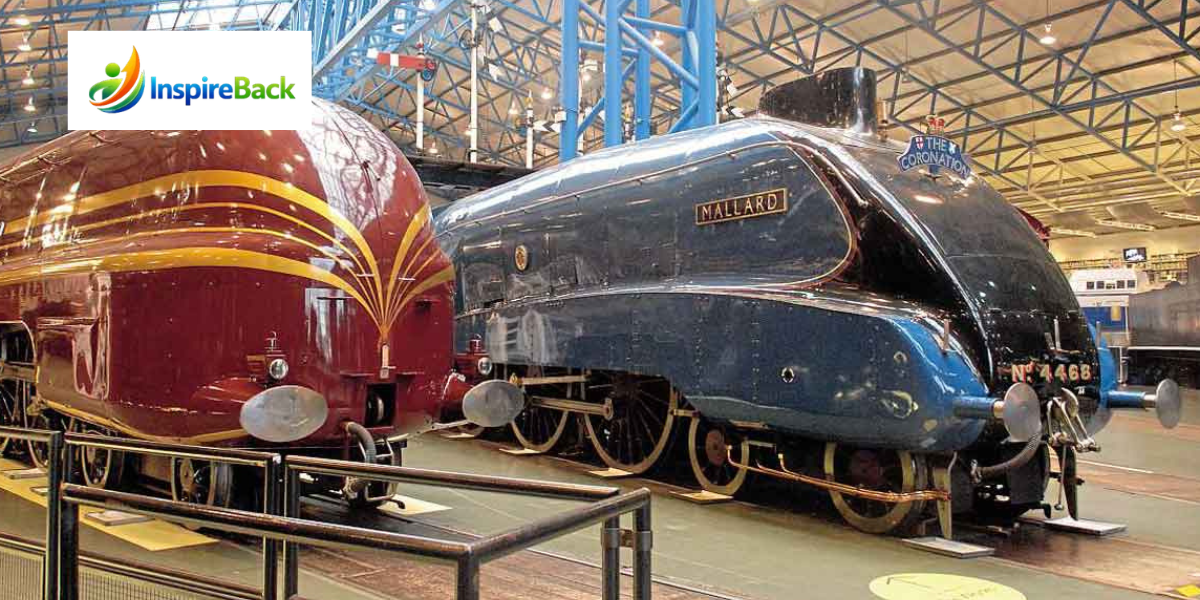
In addition to mechanical strength, certain members of the LMS Duchess Class were fitted with streamlined casings. This design choice was inspired by contemporary advances in aerodynamics and aimed to reduce air resistance at high speeds. Although streamlining was later removed from several engines for maintenance practicality, the bold appearance of these early models remains one of the most recognizable images in British railway history.
Speed, Power, and Performance Reputation
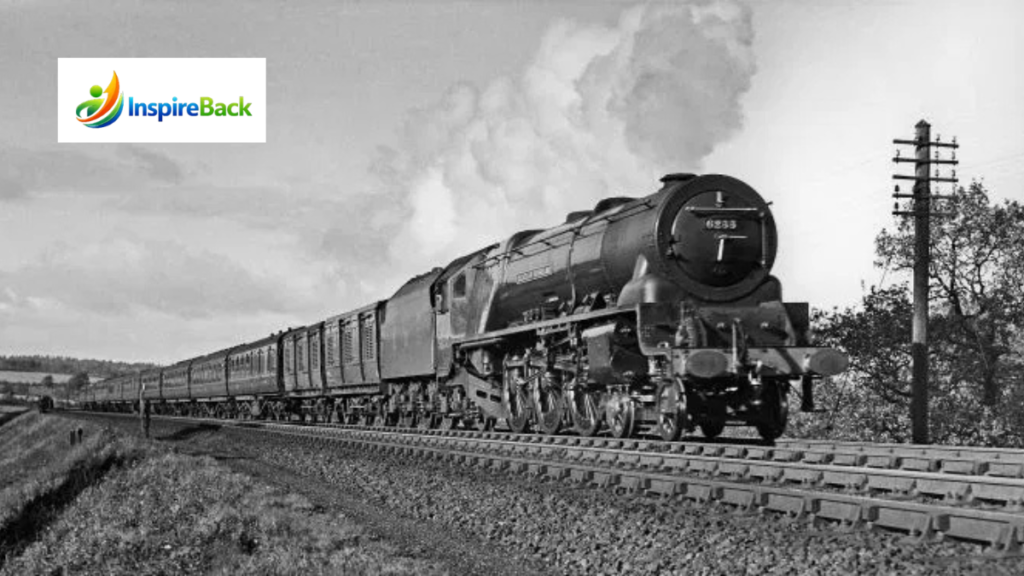
Performance was central to the identity of the LMS Duchess Class. These locomotives were capable of exceeding 100 miles per hour under favorable conditions, placing them among the fastest steam engines of their time. Their remarkable drawbar horsepower made them particularly effective on heavy express services, where maintaining high average speeds was critical to competitive railway operations.
Railway historians continue to debate the precise speed records achieved by individual engines. Regardless of exact figures, there is little disagreement about their engineering superiority. Many experts believe that, under optimal circumstances, the LMS Duchess Class might have challenged global steam speed records. Their blend of power and reliability solidified their reputation as some of Britain’s most formidable locomotives.
Names, Identity, and Cultural Prestige
One distinctive feature of the LMS Duchess Class was its naming convention. Many locomotives were named after British duchesses or prominent members of the aristocracy, reinforcing their aura of refinement and grandeur. This practice contributed to the popular nickname that persists today and strengthened the class’s association with prestige and royal heritage.
A total of thirty-eight locomotives were constructed between 1937 and 1948. Each carried unique names and numbers, some of which were altered following nationalisation under British Railways. These identities were more than decorative details; they helped shape the emotional connection between the public and the locomotives, turning mechanical marvels into celebrated icons of national achievement.
Operational History and Wartime Service
Throughout their active years, the LMS Duchess Class operated primarily on the West Coast Main Line, hauling prestigious express trains between London, Birmingham, Manchester, Liverpool, and Glasgow. Their ability to maintain high speeds while pulling substantial loads improved travel times and enhanced passenger comfort. These locomotives became central to the railway’s reputation for efficiency and reliability.
During the Second World War, operational priorities shifted dramatically. Streamlined casings were removed from several engines to simplify maintenance and reduce production costs. Despite wartime challenges, the LMS Duchess Class continued to perform demanding duties, demonstrating resilience and adaptability. After nationalisation in 1948, they served under British Railways until gradual withdrawal in the early 1960s.
Preservation and Surviving Examples
Fortunately, several members of the LMS Duchess Class were preserved rather than scrapped. Dedicated preservation societies and museums recognized their historical value and undertook significant restoration efforts. These initiatives ensured that future generations could witness the power and beauty of these locomotives beyond photographs and written accounts.
Preserved engines such as Duchess of Hamilton and Duchess of Sutherland remain especially well known. They appear at heritage railway events and occasionally operate on special mainline excursions, drawing large crowds of enthusiasts. Seeing a preserved LMS Duchess Class locomotive in motion offers a vivid reminder of Britain’s rich industrial heritage and the enduring appeal of steam power.
Lasting Influence on Railway Heritage
The LMS Duchess Class occupies a unique place in the story of British transportation. They represent the peak of steam locomotive engineering just before technological change transformed the railway industry. Their design philosophy influenced subsequent locomotive development and demonstrated how innovation could coexist with aesthetic elegance.
Today, model railway builders, historians, and steam supporters continue to celebrate the achievements of the LMS Duchess Class. Books, documentaries, and heritage events regularly highlight their contributions to railway progress. Their legacy extends beyond technical performance, symbolizing ambition, craftsmanship, and the spirit of competition that defined a remarkable era in British history.
Conclusion
The LMS Duchess Class stands as a testament to the power of visionary engineering and determined competition. Designed to dominate express passenger services, these locomotives delivered exceptional speed, strength, and reliability during one of the most dynamic periods in railway history. Their technical achievements secured them a permanent place among Britain’s most admired steam engines.
Even decades after their final regular journeys, the legacy of the LMS Duchess Class continues to captivate enthusiasts worldwide. Through preservation efforts and historical research, their story remains alive and relevant. They embody the golden age of steam travel, reminding us that mechanical innovation and national pride once traveled together along Britain’s railways.
Frequently Asked Questions
What is the LMS Duchess Class?
The LMS Duchess Class is a group of powerful 4-6-2 Pacific steam locomotives built between 1937 and 1948 for express passenger services.
Why is it called the Duchess Class?
It is called the Duchess Class because many of the locomotives were named after British duchesses and aristocratic figures.
Who designed the LMS Duchess Class?
The locomotives were designed by Sir William Stanier for the London, Midland and Scottish Railway.
How many LMS Duchess Class locomotives were built?
A total of 38 LMS Duchess Class locomotives were constructed.
How fast could the LMS Duchess Class go?
Some engines of the LMS Duchess Class reportedly exceeded speeds of 100 mph during service and testing.
What wheel arrangement did the LMS Duchess Class use?
The LMS Duchess Class used a 4-6-2 Pacific wheel arrangement suited for high-speed passenger travel.
Are any LMS Duchess Class locomotives preserved today?
Yes, a few LMS Duchess Class locomotives have been preserved and occasionally operate on heritage railways.
What routes did the LMS Duchess Class operate on?
They mainly operated on the West Coast Main Line between London, Manchester, Liverpool, and Glasgow.
Were all LMS Duchess Class locomotives streamlined?
No, some were built with streamlined casings while others were constructed or later rebuilt without streamlining.
When were the LMS Duchess Class locomotives withdrawn from service?
Most LMS Duchess Class locomotives were withdrawn from regular service in the early 1960s.
Also Read: catholic church korea