Catholic Church Korea: History, Statistics, Growth & Current Status

The Catholic Church Korea represents one of the most compelling religious developments in East Asia. Unlike many countries where missionaries introduced Christianity through colonial or foreign expansion, the Korean experience began with intellectual curiosity and voluntary conversion. This distinctive origin story continues to shape the Church’s identity and spiritual character today. Its growth reflects not only faith but also education, resilience, and community leadership.
In modern South Korea, Catholicism holds a respected place within society. With millions of adherents and a strong institutional framework, the Catholic Church Korea influences education, healthcare, and public ethics. Its parishes serve both dense urban centers and quiet rural towns, offering spiritual guidance and charitable outreach. The Church’s steady development over centuries demonstrates its lasting relevance in a rapidly changing cultural landscape.
Origins and Early Development
Lay Foundations and Intellectual Beginnings
The origins of the Catholic Church Korea trace back to the late eighteenth century, when Korean scholars encountered Catholic teachings through books imported from China. Fascinated by theological ideas about equality and human dignity, these scholars began studying Christian doctrine independently. Remarkably, the faith spread among lay believers before any ordained missionary permanently settled in the country, making Korea’s Catholic beginnings unique in global history.
This early lay movement established small but dedicated communities centered on prayer, study, and moral reform. Converts embraced Catholic teachings despite social risk, forming a foundation built on conviction rather than external influence. When foreign priests eventually entered Korea to administer sacraments, they found an already thriving body of believers eager for deeper spiritual structure and sacramental life.
Establishment of Church Hierarchy
As Catholic communities expanded, the need for formal organization became clear. Missionaries worked with local leaders to establish parishes and introduce a hierarchical structure aligned with global Catholic tradition. The Vatican gradually recognized the Korean mission territory, allowing for stronger ecclesiastical oversight and pastoral care.
This period marked a transition from informal gatherings to an organized church body. Seminaries were created to train native clergy, ensuring long-term sustainability. The development of leadership within Korea strengthened the Catholic Church Korea, helping it survive the severe persecutions that would soon follow.
Persecution and Martyrdom
Trials Under the Joseon Dynasty
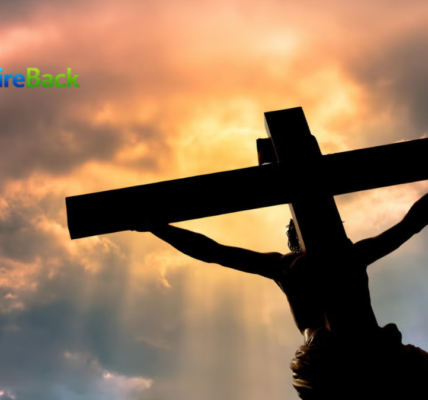
During the nineteenth century, the Catholic Church Korea endured intense persecution under the Confucian-based Joseon government. Authorities viewed Catholic teachings as a threat to established social hierarchy and ancestral rituals. Thousands of believers faced imprisonment, torture, and execution for refusing to renounce their faith.
Despite brutal suppression, Catholic communities remained resilient. Families secretly practiced their beliefs, preserving sacred texts and oral traditions. These trials tested the endurance of early Korean Catholics and ultimately deepened their commitment to spiritual conviction over social acceptance.
Legacy of the Korean Martyrs
The memory of martyrdom continues to shape Catholic identity in Korea. Many persecuted believers were later canonized, earning recognition as saints within the universal Church. Their stories are commemorated in shrines and pilgrimage sites that attract visitors from across the nation.
This heritage of sacrifice reinforces a sense of spiritual pride and perseverance. The courage demonstrated during persecution laid the moral foundation upon which the modern Catholic Church Korea stands, inspiring contemporary believers to uphold faith with integrity and dedication.
Expansion and Institutional Growth
Post-War Reconstruction and Renewal
The twentieth century brought dramatic social and political changes, including Japanese occupation and the Korean War. After these upheavals, the Catholic Church Korea entered a period of reconstruction and renewed missionary zeal. Parishes multiplied rapidly as communities sought hope and moral guidance during national rebuilding.
Church institutions played a crucial role in restoring social stability. Clergy and religious sisters provided humanitarian aid, education, and healthcare to vulnerable populations. This compassionate engagement strengthened public trust and encouraged further conversions, fueling consistent membership growth.
Education, Healthcare, and Social Outreach
Education has been central to the Church’s mission in Korea. Catholic universities, high schools, and charitable foundations contribute to intellectual development and ethical formation. Many families value Catholic institutions for their academic excellence and moral guidance.
Healthcare ministries also remain vital. Hospitals founded by religious orders deliver professional medical services grounded in compassion and dignity. Through these works, the Catholic Church Korea extends its influence beyond worship, demonstrating faith through practical service to society.
Catholic Church Korea Statistics and Demographics
Membership and Clergy Overview
Recent statistics indicate that the Catholic Church Korea includes nearly six million members, accounting for over ten percent of the national population. Thousands of priests, religious brothers, and sisters serve across more than a thousand parishes nationwide. This widespread presence highlights the Church’s organizational strength and stable membership base.
Urban centers such as Seoul host some of the largest congregations, while rural dioceses maintain vibrant local communities. The consistent training of clergy ensures leadership continuity, supporting both spiritual growth and administrative efficiency within the Church structure.
Baptisms and Growth Trends
Baptism rates in Korea have experienced periodic increases, reflecting continued interest in Catholic teaching. While broader secular trends affect many religious institutions globally, the Catholic Church Korea has maintained relatively steady participation compared to some other denominations.
Youth engagement initiatives, campus ministries, and family-centered programs contribute to sustained vitality. These efforts demonstrate strategic adaptation to demographic shifts, ensuring that Catholicism remains relevant to new generations seeking purpose and spiritual direction.
Structure and Governance
Relationship with the Vatican
The Catholic Church Korea operates in communion with the Pope and the universal Catholic Church. The Korean Episcopal Conference coordinates national pastoral priorities while respecting global doctrine. Bishops oversee dioceses, ensuring theological consistency and administrative organization.
This hierarchical structure promotes unity and accountability. It also allows the Church in Korea to participate actively in international Catholic events, strengthening global connections and reinforcing shared spiritual identity.
Dioceses and Parish Life
Multiple archdioceses and dioceses serve distinct regions throughout the country. Parish life forms the heart of Catholic experience, where believers gather for Mass, community service, and sacramental celebrations. Korean-language liturgy reflects cultural integration while maintaining traditional Catholic practice.
Lay participation plays a vital role in parish leadership, charitable activities, and youth programs. This collaborative spirit fosters a strong sense of belonging, reinforcing the communal nature of the Catholic Church Korea.
Challenges and Future Outlook
Navigating Secularization and Demographics
Like many modern religious institutions, the Catholic Church Korea faces challenges related to secularization and declining birth rates. Younger generations often encounter competing cultural influences that reshape spiritual priorities. Addressing these shifts requires innovative pastoral strategies and renewed emphasis on faith education.
Clergy shortages in certain areas also demand careful planning. By investing in vocation promotion and lay leadership development, the Church aims to maintain active communities despite demographic pressures.
Vision for Continued Growth
Despite obstacles, the future outlook remains optimistic. The Catholic Church Korea continues to emphasize transparency, social engagement, and spiritual authenticity. Its historical resilience suggests a capacity to adapt without compromising core beliefs.
Ongoing outreach, digital evangelization, and international collaboration will likely shape the next chapter of growth. By balancing tradition with thoughtful innovation, the Church stands prepared to guide future generations.
Conclusion
The journey of the Catholic Church Korea reveals a story of intellectual curiosity, courageous faith, and steady expansion. From lay-led beginnings to nationwide institutional strength, its development remains distinct within global Catholic history. The sacrifices of early believers continue to inspire modern communities devoted to spiritual integrity.
Today, the Catholic Church Korea holds a respected and influential position within society. Through education, healthcare, charitable service, and moral leadership, it contributes meaningfully to national life. Its enduring resilience and commitment to faith suggest that its presence in Korea will remain strong for generations to come.
Frequently Asked Questions
How did the Catholic Church Korea begin?
It began in the 18th century through Korean scholars who embraced Catholic teachings before foreign missionaries arrived.
How many members does the Catholic Church Korea have today?
It has nearly six million members, representing over ten percent of South Korea’s population.
Why was the Catholic Church Korea persecuted in the past?
It was persecuted during the Joseon Dynasty because its beliefs challenged Confucian social traditions.
Is the Catholic Church Korea still growing?
Yes, it continues to show steady growth through baptisms, youth engagement, and social outreach.
What role does the Catholic Church Korea play in society?
It contributes significantly to education, healthcare, charitable work, and social justice initiatives.
Who leads the Catholic Church Korea?
It is led by Korean bishops in communion with the Pope and the Vatican.
Where are most Catholic churches located in Korea?
Most large Catholic communities are located in major cities like Seoul, along with active rural parishes nationwide.
Also Read: half cent penny shoes