
Drones: The Ultimate Guide to Technology, Uses, Buying Tips & Future Trends

Drones have rapidly transformed from niche military tools into widely accessible devices used by hobbyists, professionals, and industries worldwide. These unmanned aerial vehicles (UAVs) are now seen capturing breathtaking aerial footage, assisting farmers in monitoring crops, and even delivering packages in some regions. Their growing popularity is driven by technological advancements, decreasing costs, and increasing accessibility for everyday users.
In today’s digital age, drones represent a powerful blend of innovation and practicality. Whether you’re a beginner curious about flying or a professional looking to expand your toolkit, understanding drones is more important than ever. They offer a unique perspective—literally and figuratively—on how technology can reshape industries and personal experiences alike.
This comprehensive guide explores everything you need to know about drones, from their basic functionality to their advanced applications. You’ll learn how to choose the right drone, understand legal considerations, and discover the exciting future of drone technology. By the end, you’ll have a solid foundation to confidently explore the world of drones.
What Are Drones?
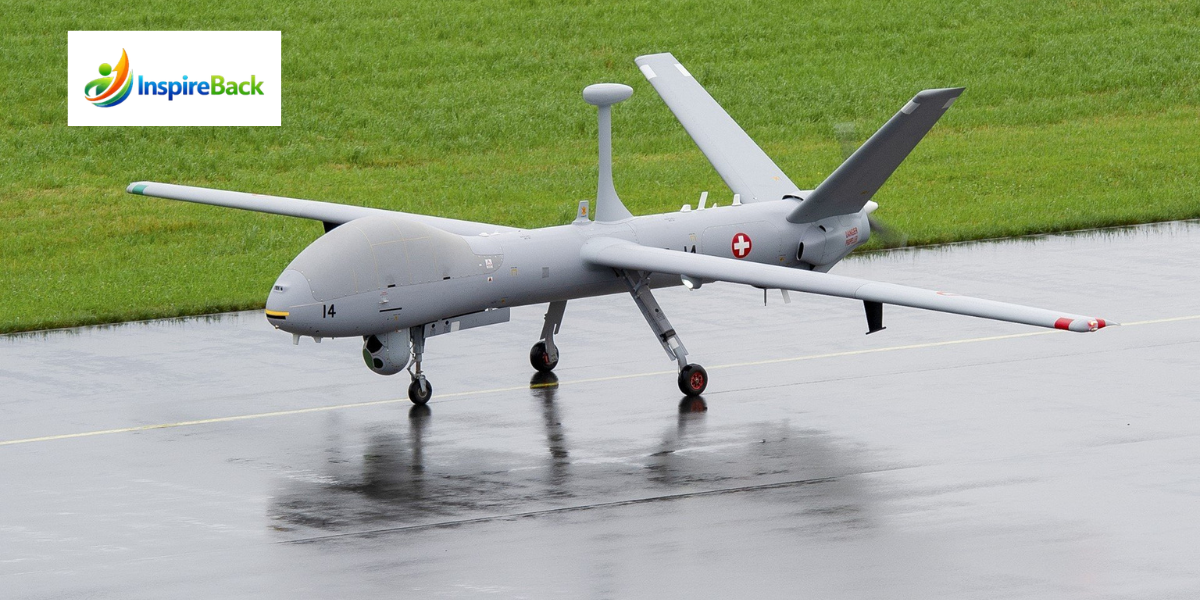
Drones, also known as unmanned aerial vehicles (UAVs), are aircraft that operate without a human pilot onboard. Instead, they are controlled remotely by a user or autonomously through software and GPS systems. Originally developed for military purposes, drones have evolved into versatile tools used across various sectors, including entertainment, agriculture, and surveillance.
At their core, drones consist of several essential components that enable flight and functionality. These include motors and propellers for lift, a battery for power, a flight controller for navigation, and often a camera for capturing images or video. Advanced drones also feature GPS systems, sensors, and intelligent flight modes that allow them to follow subjects, avoid obstacles, and return home automatically.
There are several types of drones designed for different purposes. Consumer drones are popular among hobbyists for photography and recreational flying. Professional drones are used in industries like filmmaking and construction. Racing drones are built for speed and agility, while military drones are designed for surveillance and defense operations. Each type serves a unique purpose, making drones an incredibly diverse technology.
Key Features to Look for in Drones
When choosing a drone, understanding its features is essential to ensure it meets your needs. One of the most important aspects is camera quality, especially for those interested in photography or videography. Many modern drones offer 4K video recording, image stabilization through gimbals, and advanced shooting modes that enhance creative possibilities.
Battery life is another critical factor to consider. Most consumer drones offer flight times ranging from 20 to 40 minutes, depending on the model and usage. A longer battery life allows for extended exploration and reduces the need for frequent recharging. Range and connectivity also play a significant role, determining how far you can fly your drone while maintaining a stable connection.
Additional features like GPS, obstacle avoidance, and intelligent flight modes greatly enhance the user experience. GPS enables precise positioning and return-to-home functionality, while obstacle avoidance systems help prevent crashes. Intelligent modes, such as follow-me and waypoint navigation, allow users to capture professional-level footage with minimal effort.
Popular Uses of Drones
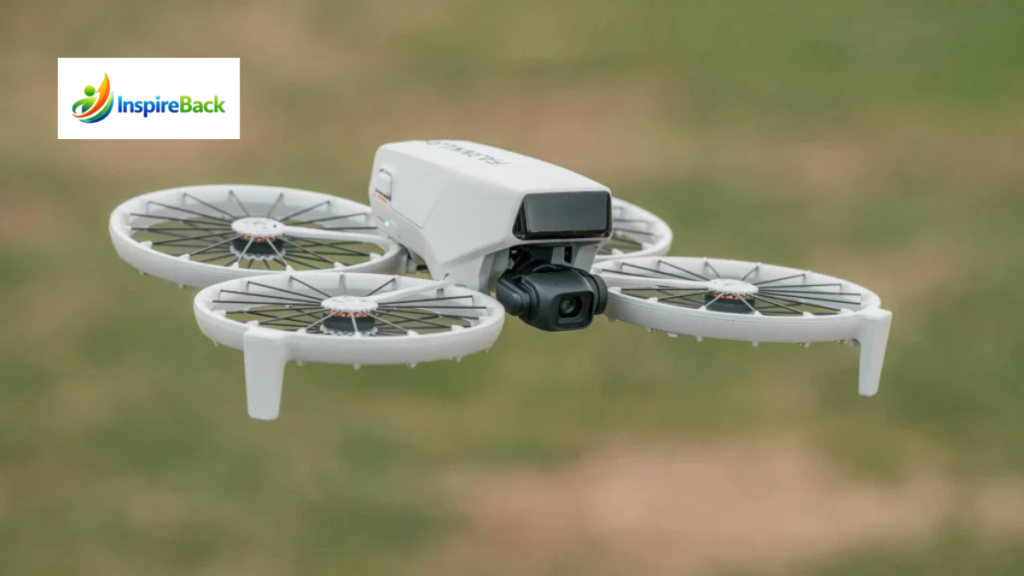
Drones have become indispensable tools across multiple industries due to their versatility and efficiency. One of the most common uses is aerial photography and videography. From weddings to travel vlogs, drones provide stunning perspectives that were once only possible with expensive equipment like helicopters.
In agriculture, drones are revolutionizing farming practices. They help monitor crop health, analyze soil conditions, and even spray fertilizers or pesticides. This not only saves time and labor but also increases productivity and precision in farming operations. Similarly, in construction and real estate, drones are used for site inspections, mapping, and showcasing properties.
Drones are also playing a crucial role in emergency response and disaster management. They can quickly assess damage, locate survivors, and deliver essential supplies to hard-to-reach areas. Additionally, industries like logistics are exploring drone delivery systems, which promise faster and more efficient transportation of goods. The possibilities are expanding rapidly, making drones a key player in modern innovation.
How to Choose the Right Drone
Selecting the right drone depends largely on your intended use and experience level. Beginners should look for user-friendly models with basic controls, stable flight systems, and safety features like automatic return-to-home. These drones are typically more affordable and easier to operate, making them ideal for learning.
Budget is another important consideration. Entry-level drones are available at relatively low prices, while high-end models with advanced features can be quite expensive. It’s essential to balance your budget with your requirements, ensuring you get the best value for your investment. Researching and comparing different models can help you make an informed decision.
For professionals, features like high-resolution cameras, long flight times, and advanced flight modes are crucial. Additionally, consider the availability of accessories such as extra batteries, propellers, and carrying cases. Choosing a reputable brand and reading user reviews can also provide valuable insights into performance and reliability.
Drone Laws and Regulations
As drones become more common, governments around the world have introduced regulations to ensure safety and privacy. These laws vary by country but generally include requirements for registration, licensing, and restrictions on where drones can be flown. Understanding and following these rules is essential for responsible drone usage.
One of the most important aspects of drone regulations is avoiding restricted areas. These typically include airports, military zones, and densely populated regions. Flying in such areas can pose serious safety risks and may result in legal consequences. Many drones now come with built-in geofencing systems that prevent them from entering restricted zones.
Privacy is another major concern associated with drone usage. Users must respect the privacy of others and avoid capturing images or videos without consent. Ethical drone operation not only ensures compliance with the law but also promotes a positive perception of drone technology in society.
Tips for Flying Drones Safely
Flying a drone safely requires preparation and awareness. Before taking off, it’s important to perform a pre-flight check, ensuring that the battery is fully charged, the propellers are secure, and the GPS signal is stable. This helps prevent technical issues during flight.
Weather conditions also play a significant role in drone operation. Avoid flying in strong winds, rain, or extreme temperatures, as these can affect performance and stability. Beginners should practice in open areas with minimal obstacles to gain confidence and improve their skills.
Regular maintenance is essential to keep your drone in good condition. This includes cleaning the components, checking for damage, and updating software when necessary. By following these safety tips, you can enjoy a smooth and सुरक्षित flying experience while minimizing risks.
Advantages and Disadvantages of Drones
Drones offer numerous advantages that make them valuable tools in various fields. They provide cost-effective solutions for tasks that would otherwise require expensive equipment or manpower. Their ability to access hard-to-reach areas makes them particularly useful in industries like construction and disaster management.
However, drones also come with certain limitations. Battery life remains a challenge, as most drones can only operate for a limited time before needing a recharge. Additionally, privacy concerns and the potential for misuse have raised ethical and legal questions.
Despite these drawbacks, the benefits of drones far outweigh their disadvantages. With ongoing advancements in technology, many of these challenges are being addressed, paving the way for even greater adoption and innovation.
Future of Drones Technology
The future of drones is incredibly promising, with continuous advancements shaping their capabilities. Artificial intelligence is playing a major role in making drones more autonomous, allowing them to perform complex tasks with minimal human intervention. This opens up new possibilities in industries like surveillance, delivery, and environmental monitoring.
Smart city integration is another exciting development. Drones could become an integral part of urban infrastructure, assisting in traffic management, emergency response, and public safety. Improvements in battery technology are also expected to extend flight times, making drones more efficient and reliable.
As innovation continues, drones are likely to become even more accessible and versatile. From personal use to large-scale industrial applications, their impact will only grow stronger. Embracing this technology today means being part of a future driven by innovation and efficiency.
Conclusion
Drones have revolutionized the way we interact with technology, offering endless possibilities across various industries. From capturing stunning visuals to improving efficiency in agriculture and logistics, their applications are vast and continually expanding.
As you explore the world of drones, it’s important to choose the right model, understand legal requirements, and prioritize safety. With the right approach, drones can be both a powerful tool and an exciting hobby.
The future of drones is bright, and their potential is limitless. Whether you’re a beginner or a professional, now is the perfect time to embrace this innovative technology and take your perspective to new heights.
Frequently asked questions
1. What are drones mainly used for?
Drones are commonly used for photography, agriculture, surveillance, delivery, and entertainment purposes.
2. Are drones legal to use everywhere?
No, drone usage is subject to local laws and regulations, which vary by country and region.
3. How long can drones fly on a single charge?
Most consumer drones can fly for 20 to 40 minutes, depending on the model and usage.
4. Do I need a license to fly a drone?
In many cases, a license is required for commercial use but not always for recreational flying.
5. What is the best drone for beginners?
Beginner-friendly drones are typically affordable, easy to control, and equipped with basic safety features.
6. Can drones be used for delivery services?
Yes, many companies are testing and implementing drone delivery systems.
7. Are drones safe to fly?
Yes, when operated responsibly and in accordance with safety guidelines.
8. How much do good drones cost?
Prices range from under $100 for basic models to over $1000 for advanced professional drones.
Also Read: yara perfume