
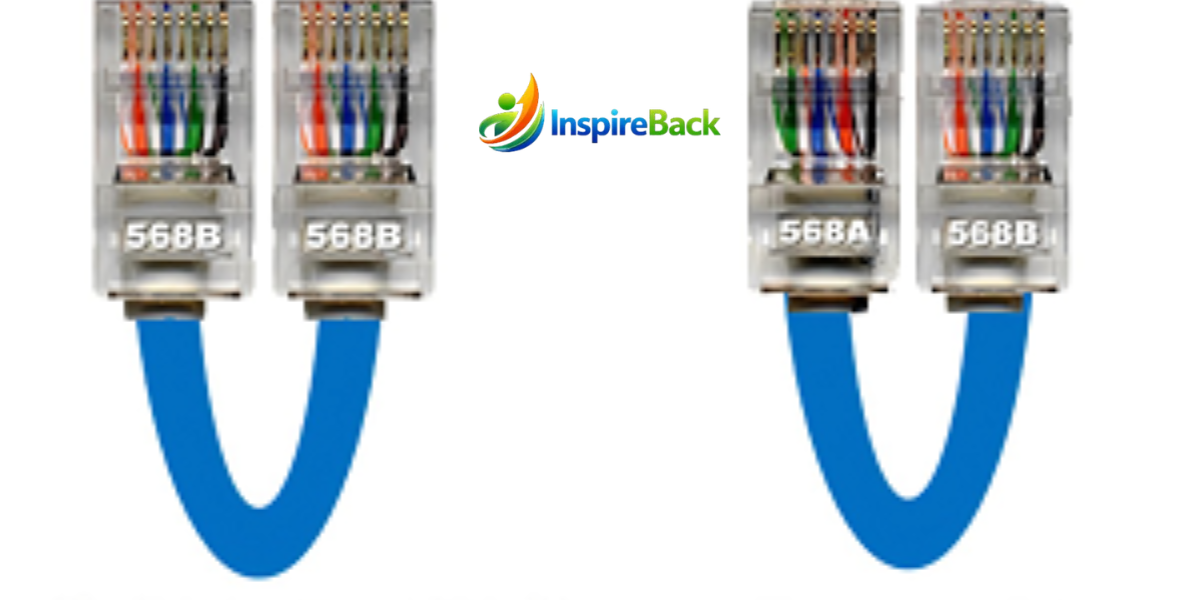
Lan Crossover Cable: What It Is, Uses, Wiring Diagram & vs Patch Cable (2026 Guide)

A lan crossover cable is a specialized Ethernet cable designed to connect two similar networking devices directly without the need for a router or switch. Before automatic port detection became standard, this cable played a critical role in building small peer-to-peer networks. It allowed computers, hubs, and switches to communicate efficiently by properly aligning their transmit and receive signals.
Even in 2026, the lan crossover cable remains relevant in specific technical scenarios. While modern hardware often includes auto-MDI/MDIX support, older devices and lab environments may still require manual signal crossover. Understanding how this cable works gives network professionals, IT students, and tech enthusiasts a deeper appreciation of Ethernet communication fundamentals and structured cabling principles.
What Is a Lan Crossover Cable
A lan crossover cable is an Ethernet cable wired to reverse specific internal wire pairs, enabling direct communication between similar devices. Unlike a straight-through patch cable that uses identical wiring on both ends, a crossover cable swaps transmit and receive pairs. This swap ensures that data sent from one device is correctly received by the other.
Historically, network interface cards could not automatically detect signal orientation. As a result, connecting two computers directly required a lan crossover cable to prevent signal mismatch. Although many modern switches and routers now automatically adjust internally, understanding this cable type remains essential when working with legacy systems or specialized networking setups.
Historical Importance in Networking
In early Ethernet networks, hardware limitations made crossover cables indispensable. Without them, devices of the same type could not communicate because both ends attempted to transmit on the same pins. The crossover design solved this limitation by reversing the wiring configuration internally.
As networking technology evolved, manufacturers introduced automatic crossover detection. However, many professionals still keep a lan crossover cable available for testing, troubleshooting, or configuring older network hardware. Its historical importance reflects how networking standards have advanced over time.
How a Lan Crossover Cable Works
The functionality of a lan crossover cable lies in its internal wiring structure. Ethernet communication depends on transmit and receive wire pairs. In a standard patch cable, these pairs run straight from one end to the other. In a crossover cable, the transmit pins on one connector connect to the receive pins on the opposite connector.
This internal reversal allows two similar devices, such as two computers or two switches, to exchange data without interference. The most common wiring standards used are T568A and T568B. One end follows T568A, while the other follows T568B, creating the necessary crossover effect for proper signal alignment.
Understanding T568A and T568B Standards
The T568A and T568B standards define the color-coded arrangement of wires inside an RJ45 connector. In a lan crossover cable, one end is terminated using T568A, and the other end uses T568B. This deliberate difference causes the transmit and receive pairs to cross.
Knowing these standards is important for technicians assembling custom cables. Incorrectly matching both ends to the same standard results in a straight-through cable rather than a crossover cable. Proper wiring ensures consistent connectivity and prevents frustrating troubleshooting scenarios.
Lan Crossover Cable Wiring Diagram and Pinout
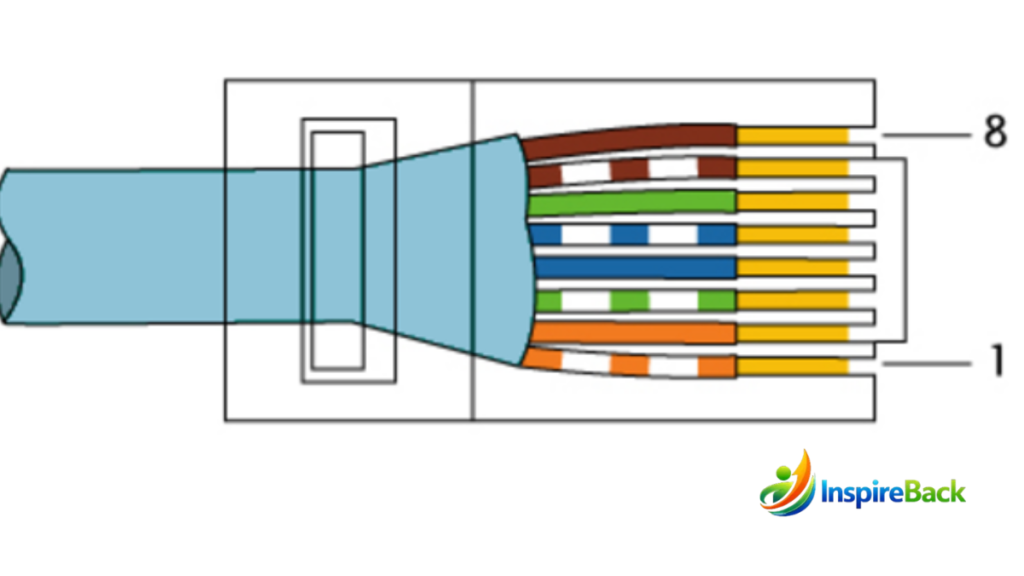
The wiring diagram of a lan crossover cable clearly illustrates how pins are swapped. Pins one and two on one end connect to pins three and six on the other end. This configuration ensures transmit signals align with receive channels, allowing devices to communicate directly without additional hardware.
Careful attention to color codes is essential during assembly. Even a minor mistake in pin alignment can prevent network communication or cause unstable connections. Using a cable tester after crimping helps verify that the wiring matches the intended crossover configuration and maintains reliable performance.
Common Wiring Mistakes to Avoid
One common mistake when creating a lan crossover cable is accidentally wiring both ends using the same standard. This error produces a straight-through cable, which will not function correctly in situations requiring crossover wiring. Double-checking the color sequence before crimping prevents this issue.
Another frequent problem involves loose connections caused by improper crimping. Ensuring each wire is fully inserted and secured within the RJ45 connector reduces signal loss. Precision and patience during assembly result in a durable and effective networking cable.
Lan Crossover Cable vs Patch Cable
The primary difference between a lan crossover cable and a patch cable lies in their wiring configuration. A patch cable uses identical wiring standards on both ends and is commonly used to connect devices of different types, such as a computer to a switch or router.
In contrast, a lan crossover cable is specifically designed to connect similar devices directly. While modern switches often eliminate the need for crossover cables, understanding this distinction is crucial for troubleshooting. Selecting the wrong cable type can lead to connectivity failures in certain environments.
Performance and Modern Compatibility
In terms of speed and bandwidth, there is no inherent performance difference between a crossover cable and a patch cable of the same category rating. Both can support Gigabit or higher speeds depending on their category, such as Cat5e or Cat6.
However, compatibility depends on the connected devices. Many modern devices automatically detect cable type and adjust accordingly. Still, older equipment without auto-sensing capabilities may require a lan crossover cable to establish a successful network connection.
When to Use a Lan Crossover Cable in 2026
Although modern networking equipment has reduced reliance on crossover cables, certain situations still require them. Connecting two legacy computers directly without a switch may demand a lan crossover cable. Lab environments used for training or testing older hardware often rely on manual crossover wiring.
Additionally, network engineers may use crossover cables for troubleshooting specific communication issues. Having one available in a toolkit ensures readiness for unexpected compatibility challenges. Even in an era of advanced networking technology, flexibility remains a valuable asset.
Situations Where It Is No Longer Needed
In most home and office networks, crossover cables are rarely necessary. Modern routers, switches, and network interface cards automatically detect signal direction and adjust internally. This feature simplifies installation and reduces the likelihood of cable confusion.
Nevertheless, understanding how and when to use a lan crossover cable prepares professionals for diverse networking scenarios. Knowledge of legacy technology can prevent downtime when working with older infrastructure or specialized systems.
Advantages and Disadvantages of Lan Crossover Cable
One significant advantage of a lan crossover cable is its ability to connect similar devices without additional networking hardware. This makes it a cost-effective solution for small peer-to-peer setups or quick file transfers between computers. It also serves as a valuable learning tool for understanding Ethernet communication.
On the downside, its necessity has decreased in modern networks. Many users may never encounter a situation requiring one. Additionally, confusion between crossover and patch cables can complicate installations if cables are not clearly labeled or identified.
Conclusion
The lan crossover cable represents an important milestone in networking history. Designed to solve signal alignment challenges, it enabled direct communication between similar devices long before automatic detection technology became standard. Its internal wiring configuration remains a fundamental concept in Ethernet networking.
While modern hardware often eliminates the need for manual crossover connections, the lan crossover cable still holds value in legacy systems, labs, and troubleshooting environments. Understanding its function empowers network professionals with greater technical confidence and versatility in managing diverse network infrastructures.
Frequently Asked Questions
What is a lan crossover cable used for?
It is used to directly connect two similar networking devices without a switch or router.
Is a lan crossover cable still needed today?
Most modern devices support automatic detection, but older hardware may still require it.
How is a lan crossover cable different from a patch cable?
A crossover cable swaps transmit and receive wires, while a patch cable uses identical wiring on both ends.
Can I use a lan crossover cable with modern switches?
Yes, but most modern switches automatically adjust and do not require crossover wiring.
Does cable category affect crossover cable performance?
Yes, higher categories like Cat6 or Cat6a support faster speeds and improved bandwidth.
Also Read: waffen ss camo