
Military Freefall Badge: Requirements, School & How to Earn It (2026 Guide)

The military freefall badge stands among the most respected airborne qualifications in the United States armed forces. It represents advanced mastery of high-altitude parachuting techniques used in specialized military operations. Unlike basic airborne wings, this badge identifies service members trained to conduct complex insertions under challenging environmental and tactical conditions.
Earning the military freefall badge requires exceptional physical conditioning, mental focus, and technical proficiency. Those who achieve it demonstrate their ability to operate in thin air, manage oxygen systems, and navigate long distances beneath a ram-air canopy. This guide explores its history, requirements, training process, and career impact in full detail.
History and Purpose of the Military Freefall Badge
The Military Freefall Parachutist Badge was officially established in the 1990s to recognize soldiers and airmen qualified in high-altitude freefall techniques. As modern warfare evolved, the need for stealthy and precise insertion methods increased. High-altitude parachuting provided a solution, allowing operators to deploy from aircraft flying above radar detection zones.
The military freefall badge was created to formally distinguish those who completed rigorous specialized training. It acknowledges expertise in both High Altitude Low Opening and High Altitude High Opening procedures. Over time, the badge has become closely associated with elite units and specialized mission sets that demand extreme discipline and operational excellence.
Symbolism and Design Meaning
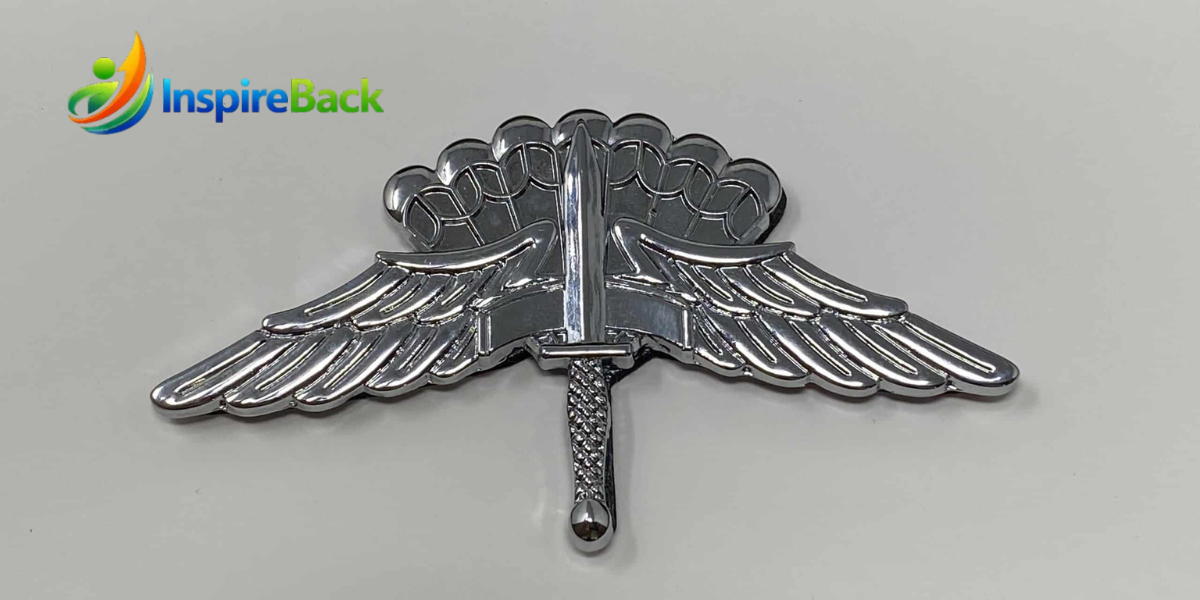
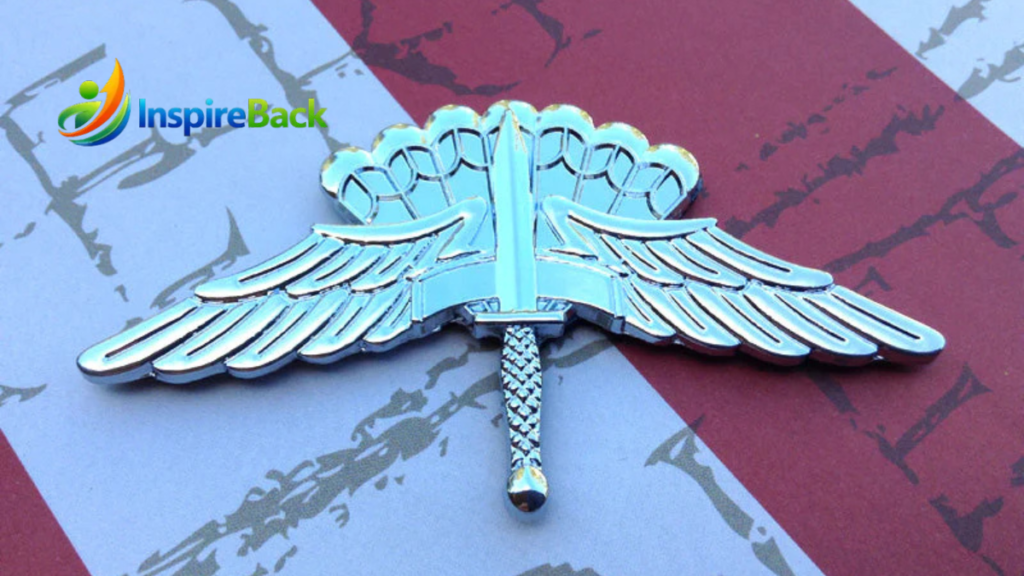
The design of the military freefall badge carries significant meaning. It features stylized wings, a central dagger, and a ram-air parachute canopy. The wings represent airborne capability and freedom of movement, while the dagger symbolizes combat readiness and precision. Together, these elements reflect the technical and tactical nature of high-altitude operations.
Beyond aesthetics, the badge serves as a visible mark of advanced proficiency. It distinguishes freefall parachutists from those who complete only static-line training. When worn on a uniform, the military freefall badge communicates dedication, endurance, and the ability to perform complex aerial maneuvers under pressure.
Eligibility and Prerequisites
Before pursuing the military freefall badge, candidates must first qualify as basic airborne parachutists. This means completing Airborne School and earning the standard parachutist qualification. Only after meeting these foundational requirements can a service member apply for Military Freefall training.
Candidates must meet strict medical and physical standards to ensure safety at high altitudes. Strong cardiovascular health, stamina, and mental resilience are essential. Command endorsement is typically required, reflecting the demanding and selective nature of the course that leads to earning the military freefall badge.
Military Freefall School Training Overview
Training is conducted under the oversight of the United States Army John F. Kennedy Special Warfare Center and School. The Military Freefall Parachutist Course usually spans approximately four weeks and combines classroom instruction, wind tunnel practice, and live jump operations. Each phase builds essential skills for safe and precise high-altitude deployment.
Students learn advanced body stabilization techniques, canopy navigation, oxygen equipment management, and emergency procedures. The curriculum emphasizes safety and accuracy while operating in challenging atmospheric conditions. Successful completion of the course results in award of the military freefall badge, signifying readiness for specialized airborne missions.
HALO and HAHO Operations Explained
High Altitude Low Opening, commonly known as HALO, involves exiting an aircraft at high altitude and delaying parachute deployment until a lower altitude. This method reduces detection and allows discreet entry into operational zones. It requires precise body control and timing to ensure safe canopy deployment.
High Altitude High Opening, or HAHO, differs in that the parachute is deployed shortly after exit. This allows operators to glide long distances using wind currents for navigation. Both methods demand extensive training, and mastery of these techniques is central to earning the military freefall badge.
Levels of the Military Freefall Badge
There are progressive levels associated with the military freefall badge. The basic level is awarded upon successful completion of the initial course and required qualifying jumps. It demonstrates foundational expertise in freefall procedures and equipment management.
Advanced levels, including senior and master designations, require additional jumps and operational experience. These higher tiers reflect leadership capability and sustained performance in freefall operations. Each level reinforces the badge’s status as a mark of elite airborne proficiency.
Comparison with Other Airborne Qualifications
The military freefall badge differs significantly from the standard Parachutist Badge. While traditional airborne training focuses on static-line jumps at lower altitudes, freefall operations involve high-altitude exits and independent canopy navigation. This makes freefall qualification more technically complex and demanding.
Compared to other airborne distinctions, the military freefall badge represents specialized expertise rather than basic airborne capability. It is often associated with units tasked with reconnaissance, direct action, and strategic insertion missions that require precision and stealth.
Career Benefits and Professional Impact
Earning the military freefall badge can significantly enhance a service member’s career trajectory. It may open doors to assignments within specialized or elite units that require high-altitude insertion capability. This qualification signals advanced skill and dedication to operational excellence.
Beyond assignments, the badge strengthens professional credibility. It reflects a commitment to mastering complex techniques and maintaining physical and mental readiness. Within the airborne community, wearing the military freefall badge conveys respect and recognition among peers and leadership alike.
Challenges and Risks of Freefall Training
Freefall parachuting is inherently demanding and requires strict adherence to safety protocols. Operating at high altitudes involves managing oxygen systems and coping with low temperatures and thin air. Trainees must remain focused while executing precise maneuvers in dynamic conditions.
Despite the challenges, comprehensive instruction and careful supervision help mitigate risks. The demanding nature of the course ensures that only well-prepared individuals earn the military freefall badge. This rigorous process reinforces its reputation as a prestigious and elite qualification.
Conclusion
The military freefall badge represents advanced airborne capability, technical expertise, and unwavering discipline. From its establishment to its modern role in specialized operations, it has become a powerful symbol of elite parachuting skill within the United States armed forces.
Earning the military freefall badge requires dedication, preparation, and resilience. For those who meet the challenge, it offers professional growth, operational opportunities, and the pride of joining a distinguished group of high-altitude parachutists prepared for complex missions worldwide.
Frequently Asked Questions
What is the military freefall badge?
It is an advanced airborne qualification awarded to U.S. Army and Air Force personnel trained in high-altitude freefall parachuting techniques.
How long is Military Freefall School?
The course typically lasts about four weeks and includes ground instruction, wind tunnel training, and live high-altitude jumps.
Do you need Airborne School before attending?
Yes, candidates must first qualify as basic airborne parachutists before pursuing freefall training.
What is the difference between HALO and HAHO?
HALO involves delayed parachute deployment at lower altitude, while HAHO requires early canopy opening for long-distance gliding.
Is the military freefall badge considered elite?
Yes, it is regarded as an elite qualification due to its demanding standards and specialized operational focus
Also Read: self uniting marriage license pa