Quince Fruit: Health Benefits, Uses, and Everything You Need to Know

Quince fruit, though not as widely known as apples or pears, has been cherished for centuries for its unique aroma, tangy-sweet taste, and versatile uses. Originating in the Middle East and later spreading to Europe and Asia, quince has a rich history in both culinary and medicinal traditions. Its golden-yellow hue and distinctive fragrance make it a favourite among food enthusiasts and herbal practitioners alike.
Unlike many fruits consumed primarily for snacking, quince often requires cooking or preparation before it can be enjoyed. Despite this, its flavor profile, which combines a subtle tartness with floral sweetness, adds a special touch to jams, jellies, and baked dishes. Beyond its taste, quince is packed with nutrients and antioxidants, making it a powerful addition to any health-conscious diet. Whether used in traditional remedies, gourmet recipes, or modern health foods, the quince fruit has proven its timeless appeal.
In this article, we will explore everything you need to know about quince, from its origin and nutritional benefits to culinary uses and cultivation tips. By the end, you’ll understand why this ancient fruit is still relevant today and how you can incorporate it into your lifestyle.
What is Quince Fruit?
Origin and History
Quince fruit is believed to have originated in the regions of Iran and Turkey, with historical records dating back over 4,000 years. Ancient civilizations prized quince not only for its taste but also for its symbolic significance. In Greek mythology, quince was considered a symbol of love and fertility. Similarly, Romans often included quince in ceremonial feasts, appreciating both its aromatic qualities and its ability to be stored for long periods.
Over centuries, quince cultivation spread throughout Europe and Asia, with countries like Spain, Portugal, and Turkey becoming prominent producers. In many cultures, quince was valued as a food staple during winter months, when fresh fruit was scarce. Its versatility in cooking, preservation, and medicinal applications contributed to its enduring popularity. Today, quince continues to be grown worldwide, celebrated for its unique flavor, nutritional value, and cultural significance.
Description and Appearance
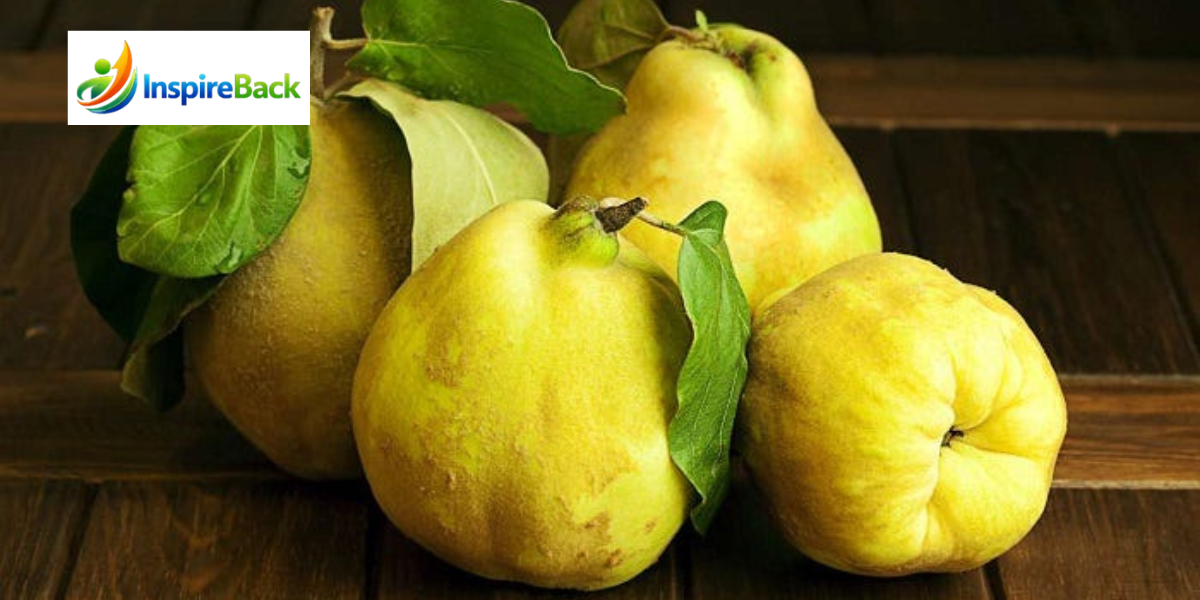
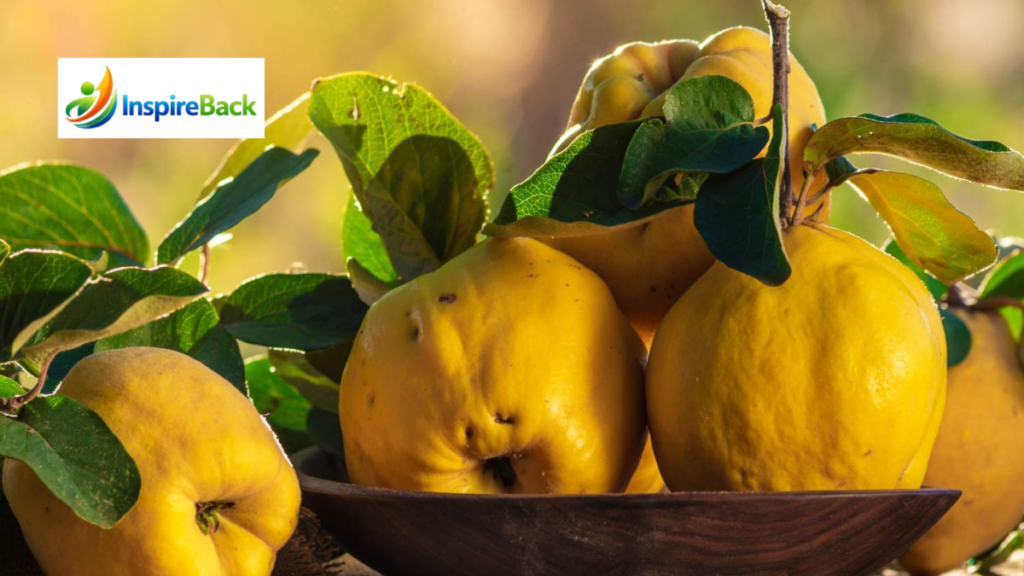
Quince fruit is typically round or pear-shaped, with a golden-yellow skin when fully ripe. Its flesh is firm and pale, often slightly grainy in texture, which makes it less palatable when raw compared to more familiar fruits like apples or pears. The fruit emits a sweet, floral fragrance that intensifies as it ripens, making it particularly appealing in kitchens and markets.
Despite its initial tartness, quince softens and becomes aromatic when cooked, which is why it is often used in jams, jellies, and desserts. Its seeds are encased in a hard core, which contains small amounts of cyanogenic compounds, making them unsuitable for consumption. This unique structure, combined with its bright appearance, sets quince apart as both a visually striking and flavorful fruit.
Varieties of Quince
Several varieties of quince exist, each differing slightly in taste, aroma, and suitability for culinary uses. Common types include the Smyrna quince, known for its large size and sweet fragrance, and the Portuguese quince, which is often smaller but intensely aromatic. Some varieties are better suited for preserves, while others excel in baking or cooking applications.
Understanding the variety of quince is essential for culinary enthusiasts and home gardeners alike. Choosing the right type ensures optimal flavor and texture, whether the goal is making a tangy jelly, a baked dessert, or simply enjoying the fruit in its natural form.
Nutritional Value of Quince Fruit
Vitamins and Minerals
Quince is a nutrient-dense fruit that offers a range of essential vitamins and minerals. Rich in Vitamin C, it supports immune function and promotes healthy skin. Additionally, quince contains B-complex vitamins such as B1 (thiamine) and B6 (pyridoxine), which play vital roles in energy metabolism and brain health. Potassium, magnesium, and copper are also present, contributing to cardiovascular health and overall wellness.
The fiber content in quince is notable, particularly in cooked or pureed preparations, which aids digestion and supports gut health. Quince’s nutritional profile makes it an excellent addition to a balanced diet, offering benefits beyond mere taste. Its combination of vitamins, minerals, and antioxidants provides a natural boost to overall health, making it more than just a flavorful ingredient in recipes.
Health Benefits
Quince fruit has long been associated with multiple health benefits. Its high antioxidant content helps neutralize free radicals, reducing oxidative stress and lowering the risk of chronic diseases. The dietary fiber in quince improves digestion, prevents constipation, and promotes a healthy gut microbiome. Additionally, studies suggest that quince may support heart health by regulating blood pressure and cholesterol levels.
Beyond physical health, quince has been used in traditional remedies for centuries. It is believed to alleviate cold symptoms, soothe digestive issues, and promote overall wellness. Incorporating quince into your diet, whether raw, cooked, or as part of a supplement, can provide these health benefits while also adding a deliciously unique flavor to meals.
Calorie and Sugar Content
Quince is relatively low in calories, making it an excellent choice for weight-conscious individuals. A medium-sized fruit contains approximately 50–60 calories and is naturally low in fat. Although it contains natural sugars, the fiber content helps moderate blood sugar levels, making it suitable for most diets when consumed in moderation.
Its low-calorie profile, combined with high nutrient density, positions quince as a “superfruit” of sorts. Whether used in cooking, baking, or consumed in small quantities raw, it offers health benefits without contributing to excessive calorie intake.
Culinary Uses of Quince Fruit
Fresh Consumption
While many avoid eating raw quince fruit due to its firm texture and tartness, it can be enjoyed fresh when fully ripe or slightly softened. Some enthusiasts slice it thinly and sprinkle it with a bit of sugar or lemon juice to balance its tang. Fresh quince adds an aromatic touch to salads and fruit platters, providing a subtle, floral flavour that pairs well with other quince fruit.
Cooking and Recipes
Quince truly shines when cooked. Its firm texture softens, and its aroma intensifies, making it perfect for jams, jellies, and compotes. Traditional desserts such as quince tarts, pies, and poached quince are popular across Europe and the Middle East. In savory dishes, quince pairs beautifully with meats like lamb or pork, adding sweetness and complexity to stews and roasts quince fruit.
Recipes vary from region to region, but common techniques include poaching in syrup, baking with spices, or making preserves. Each method enhances the fruit’s natural sweetness and fragrance while creating versatile culinary options for everyday meals or festive occasions quince fruit.
Preservation Methods
Quince’s firm flesh and high pectin content make it ideal for preservation. Homemade quince jelly, marmalade, or paste is common in many cultures, allowing the fruit’s flavour to be enjoyed year-round. Freezing and canning are also effective methods to extend shelf life. Proper storage in a cool, dry place ensures that the fruit maintains its aroma and texture for longer periods, reducing waste and maximizing its culinary potential.
Growing and Harvesting Quince Fruit
Ideal Growing Conditions
Quince thrives in temperate climates with well-draining soil and full sunlight. It is relatively hardy, tolerating mild frost, but excessive humidity or poorly drained soil can negatively affect fruit quality. Home gardeners and commercial growers alike must consider climate, soil pH, and sunlight exposure to ensure optimal growth.
Planting and Care Tips
Planting quince requires careful attention to spacing, pruning, and watering. Regular pruning encourages healthy growth, improves air circulation, and enhances fruit production. Adequate watering and fertilization during the growing season ensure the trees remain productive and disease-free.
Harvesting and Storage
Quince is typically harvested in late autumn, when the fruit develops a bright yellow colour and emits a strong, fragrant aroma. Harvested fruits should be handled gently to prevent bruising. For longer storage, quince can be kept in a cool, dry environment or transformed into preserves, which extend its shelf life while maintaining flavour and nutritional value.
Quince Fruit in Traditional Medicine and Modern Uses
Traditional Remedies
For centuries, quince has been used in folk medicine to treat digestive issues, sore throats, and colds. Its seeds and pulp were often prepared as syrups or poultices, leveraging natural anti-inflammatory and soothing properties. Traditional remedies emphasized the fruit’s ability to support overall wellness naturally.
Modern Health Applications
Today, quince is not only valued for culinary purposes but also incorporated into supplements, teas, and functional foods. Quince extracts are studied for their antioxidant, anti-inflammatory, and digestive health benefits. Modern applications combine traditional wisdom with scientific research, highlighting quince as both a nutritious and functional ingredient in contemporary diets.
Conclusion
Quince fruit, with its rich history, unique flavour, and powerful health benefits, deserves a place in modern kitchens and diets. From culinary creations to traditional remedies, it offers versatility and nourishment in equal measure. Whether enjoyed in jams, baked desserts, or simply incorporated into meals, quince combines taste and wellness, making it a fruit worth exploring. Embrace its golden hue and aromatic sweetness to enrich your meals and support your health naturally.
Frequently asked questions
What does quince fruit taste like?
Tart, slightly floral, and aromatic, especially when cooked.
Can you eat quince raw?
Yes, but it is firm and tangy; cooking is often preferred.
What are the main health benefits of quince?
Supports digestion, immunity, heart health, and provides antioxidants.
How do you store quince fruit properly?
In a cool, dry place or as preserves for longer shelf life.
Are there different types of quince?
Yes, including Smyrna and Portuguese varieties with different flavors.
How do you use quince in cooking and baking?
For jams, jellies, desserts, poaching, or savory meat dishes.
Is quince good for weight loss?
Yes, due to low calories, high fiber, and nutrient density.
Also Read: soffit vents