Horse Breeding: Complete Guide to Methods, Cycles, Mare Care and Foaling Success

Horse breeding is a carefully managed process that blends science, experience, and responsible decision-making. For centuries, breeders have shaped the qualities of horses through selective pairing, producing animals known for speed, endurance, temperament, and beauty. Today, horse breeding remains essential in racing, sport competitions, ranch work, and leisure riding across the United States and worldwide.
Successful horse breeding is not simply about producing a foal. It involves understanding genetics, reproductive timing, nutrition, and veterinary care. Every stage, from selecting the right stallion to monitoring pregnancy and assisting during foaling, plays a crucial role in achieving healthy outcomes. With proper planning and knowledge, breeders can improve bloodlines while protecting the well-being of both mare and foal.
Understanding the Fundamentals of Horse Breeding
Horse breeding refers to the managed reproduction of horses with the goal of producing offspring that meet specific standards. These standards may focus on athletic performance, conformation, temperament, or pedigree. While horses naturally reproduce, modern horse breeding programs emphasize selective breeding to strengthen desirable traits and reduce hereditary weaknesses over time.
Genetics plays a central role in horse breeding decisions. Breeders carefully evaluate bloodlines, performance history, and physical structure before pairing a mare and stallion. Understanding inherited traits helps prevent the transmission of genetic disorders and ensures long-term improvement within a breed. Responsible breeding practices ultimately contribute to stronger, healthier horses in future generations.
Essential Breeding Terminology
To navigate horse breeding effectively, it is important to understand common terminology. A mare is an adult female horse, while a stallion is an intact male capable of reproduction. A broodmare is specifically selected for producing foals, and a foal is a young horse under one year old. These basic terms form the foundation of breeding discussions.
Additional terms such as estrus, ovulation, gestation, and foaling are equally important. The estrus cycle refers to the mare’s reproductive cycle, while gestation describes the pregnancy period, typically lasting around eleven months. Foaling is the act of giving birth. Familiarity with this vocabulary allows breeders to communicate clearly with veterinarians and breeding professionals.
Horse Breeding Methods and Techniques
There are several approaches to horse breeding, each offering unique benefits and considerations. The most traditional method is live cover, where the stallion mates directly with the mare under controlled supervision. This approach is still required by some breed registries and remains popular in certain breeding circles.
However, live cover requires careful management to prevent injuries and ensure proper timing. Both horses must be healthy and temperamentally suitable for the process. Professional supervision and safe breeding facilities significantly reduce risks and improve conception success.
Artificial Insemination and Modern Advances
Artificial insemination has transformed modern horse breeding programs. In this method, semen is collected from the stallion and inserted into the mare’s reproductive tract during her fertile window. This technique allows breeders to access high-quality genetics from stallions located across the country or even internationally.
Advanced technologies such as embryo transfer further expand breeding possibilities. Embryo transfer involves moving a fertilized embryo from a donor mare to a surrogate mare. This method enables valuable performance mares to continue competing while still contributing to breeding programs. These innovations have made horse breeding more efficient, safer, and genetically diverse.
Breeding Cycles and Optimal Timing
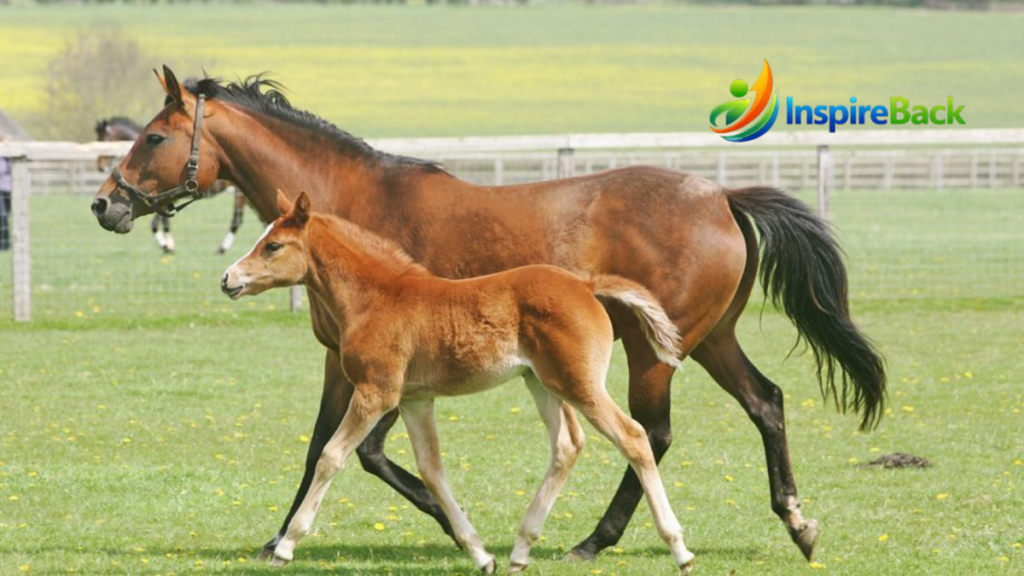
Understanding reproductive timing is critical in horse breeding. Mares are seasonally polyestrous, meaning they cycle primarily during the spring and summer months when daylight hours increase. The typical estrus cycle lasts approximately twenty-one days, with the mare showing signs of heat for about five to seven days.
During estrus, mares may display behavioral changes such as tail raising, frequent urination, and increased receptiveness to stallions. Breeding during the correct stage of ovulation significantly improves conception rates. Veterinarians often use ultrasound examinations to determine the optimal breeding window and maximize success.
Stallion Fertility and Health Management
While mare management often receives more attention, stallion health is equally essential in horse breeding. Fertility depends on proper nutrition, conditioning, and reproductive health. Regular veterinary examinations help assess semen quality and detect any potential issues before the breeding season begins.
Overbreeding can reduce sperm concentration and affect overall fertility. Responsible stallion management includes balanced breeding schedules and proper rest periods. By maintaining strong health and consistent care, breeders increase the likelihood of successful pregnancies and healthy foals.
Preparing Mare and Stallion for Breeding
Preparation for horse breeding begins months before mating takes place. Both mare and stallion should undergo comprehensive health evaluations, including reproductive exams, vaccinations, and parasite control. Addressing health concerns early reduces complications and improves fertility outcomes.
Nutrition is another critical factor in breeding preparation. Mares should maintain an ideal body condition score to support conception and pregnancy. Diets rich in essential vitamins, minerals, and high-quality forage help strengthen the immune system and reproductive performance. Proper conditioning ensures both horses are physically ready for breeding.
Selecting the Right Pair for Success
Choosing compatible bloodlines is one of the most strategic aspects of horse breeding. Breeders analyze pedigree records, athletic achievements, conformation, and temperament before finalizing a pairing. The objective is to enhance strengths while minimizing potential weaknesses in the resulting foal.
Temperament is especially important for producing trainable and reliable horses. Even exceptional athletic traits can be overshadowed by poor behavior. Careful selection not only improves performance potential but also increases the foal’s long-term value in competitive and recreational markets.
Pregnancy Care and Monitoring
Once conception occurs, attentive pregnancy care becomes the priority. The average gestation period for a mare is approximately 340 days, though slight variations are normal. Early pregnancy confirmation through ultrasound helps detect twins or complications that may require intervention.
As pregnancy progresses, nutritional adjustments become necessary to support fetal growth. Moderate exercise keeps the mare healthy and reduces stress. Routine veterinary checkups ensure the pregnancy remains on track and allow early detection of any potential issues that could affect foaling success.
Recognizing Signs of Approaching Foaling
As the due date approaches, mares exhibit physical and behavioral signs that foaling is near. Udder development, relaxation of pelvic ligaments, and waxing on the teats are common indicators. Close observation during this period is essential to provide assistance if needed.
The foaling process typically occurs in three stages, beginning with early labor and ending with the delivery of the placenta. While most mares foal without complications, rapid veterinary intervention is critical if abnormalities occur. Preparedness significantly improves outcomes for both mare and foal.
Newborn Foal Care and Early Development
The first hours of a foal’s life are crucial in horse breeding success. Foals should stand and nurse within a short period to receive colostrum, which provides vital antibodies that strengthen the immune system. Failure to nurse promptly may require veterinary assistance.
Post-foaling care includes examining the placenta, monitoring the foal’s vital signs, and ensuring normal movement and nursing behavior. Early veterinary evaluation confirms the foal’s health and identifies any concerns. Proper neonatal care sets the foundation for strong growth and future performance potential.
Financial and Ethical Considerations in Horse Breeding
Horse breeding involves significant financial investment, including stud fees, veterinary services, feed, and facility maintenance. Prospective breeders must realistically assess their budget and long-term commitment before starting a breeding program. Unexpected complications can increase costs, making preparation essential.
Ethical breeding practices focus on quality rather than quantity. Avoiding overbreeding and screening for genetic disorders protects the integrity of bloodlines and promotes animal welfare. Responsible horse breeding ensures that each foal has the best possible chance for a healthy and productive life.
Conclusion
Horse breeding is a rewarding yet complex process that demands knowledge, patience, and dedication. From understanding reproductive cycles to managing pregnancy and foaling, every stage requires careful attention and professional guidance. When approached responsibly, breeding can enhance bloodlines and contribute positively to the equine community.
By combining scientific insight with ethical responsibility, breeders can achieve successful outcomes while prioritizing the health of their horses. Thoughtful planning, strong veterinary partnerships, and informed decision-making form the foundation of effective horse breeding programs that stand the test of time.
Frequently asked questions
What is horse breeding?
Horse breeding is the managed reproduction of horses to produce foals with desired traits and healthy bloodlines.
How long is a mare pregnant?
A mare’s gestation period typically lasts about 11 months or around 340 days.
When is the best time for horse breeding?
The best time for horse breeding is during the spring and summer when mares naturally cycle.
How often does a mare go into heat?
A mare usually goes into heat every 21 days during the breeding season.
What is the difference between live cover and artificial insemination?
Live cover involves natural mating, while artificial insemination uses collected semen without direct contact.
How can I improve conception rates in horse breeding?
Proper timing, veterinary monitoring, good nutrition, and healthy breeding horses improve conception rates.
What are signs that a mare is ready to foal?
Signs include udder enlargement, waxing on teats, restlessness, and pelvic relaxation.
How soon should a foal stand after birth?
A healthy foal should stand and nurse within one to two hours after birth.
Is horse breeding expensive?
Yes, horse breeding can be costly due to stud fees, veterinary care, feed, and foaling expenses.
Why is responsible horse breeding important?
Responsible horse breeding ensures healthy foals, protects bloodlines, and promotes animal welfare.
Also Read: rage stephen king