
How to Quit a Job Professionally: A Practical Guide to Leaving Without Burning Bridges

Quitting a job is rarely easy. Even when you’re excited about a new opportunity, the process can feel uncomfortable, uncertain, and sometimes stressful. That’s why understanding how to quit a job properly is essential—not just for your current situation, but for your long-term career growth. A well-handled resignation protects your reputation and keeps future opportunities open.
Many people focus only on leaving, but the way you leave matters just as much as the reason you leave. Whether you’re switching careers, accepting a better offer, or simply moving on, learning how to quit a job professionally helps you maintain respect, avoid conflict, and leave a lasting positive impression.
Why Quitting a Job the Right Way Matters
When you leave a job, people remember your behavior during your final days. Employers and colleagues often form lasting opinions based on how you handle your exit. Knowing how to quit a job the right way shows maturity, responsibility, and professionalism—qualities that are highly valued in any industry.
A professional exit also protects your network. Managers, coworkers, and even HR teams can play a role in your future career through references or recommendations. If you quit poorly, you risk damaging relationships that could benefit you later. On the other hand, a respectful and well-planned departure strengthens your professional image.
Signs It’s Time to Quit Your Job
Before learning how to quit a job, it’s important to be sure that leaving is the right decision. One common sign is feeling stuck with no growth or learning opportunities. If your role no longer challenges you or aligns with your goals, it may be time to move on.
Another clear signal is a consistently negative work environment. Poor management, lack of recognition, or burnout can affect both your performance and well-being. If you’ve tried to improve the situation and nothing changes, understanding how to quit a job professionally becomes the next step toward a healthier career path.
What to Do Before You Quit a Job
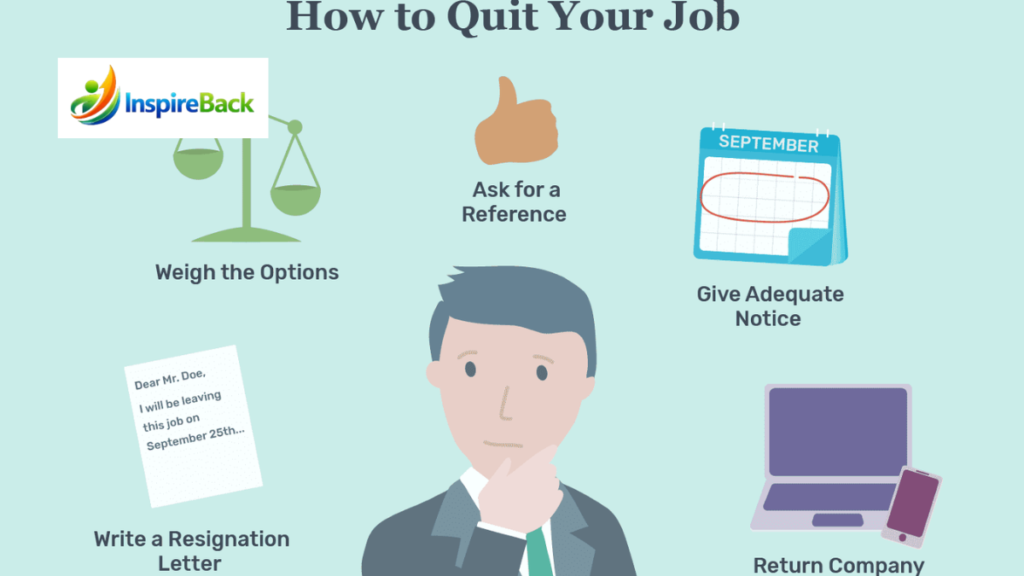
Preparation is one of the most important parts of how to quit a job successfully. The first rule is simple: never resign without a clear plan. If you’re moving to another role, confirm every detail—offer letter, salary, and start date—before taking any action.
You should also review your contract to understand your notice period and obligations. Financial preparation is equally important. Having savings or a backup plan ensures that your transition is smooth and stress-free. Taking these steps before quitting gives you confidence and control over the situation.
How to Quit a Job: Step-by-Step Process
Plan Your Resignation Carefully
The best way to approach how to quit a job is with a clear strategy. Decide on your last working day, prepare what you will say, and think about how your departure will affect your team. Avoid making emotional decisions—resigning in frustration often leads to regret.
Planning also includes timing. Choose a moment when your manager is available for a proper conversation. A rushed or poorly timed resignation can create unnecessary tension.
Write a Simple and Professional Resignation Letter
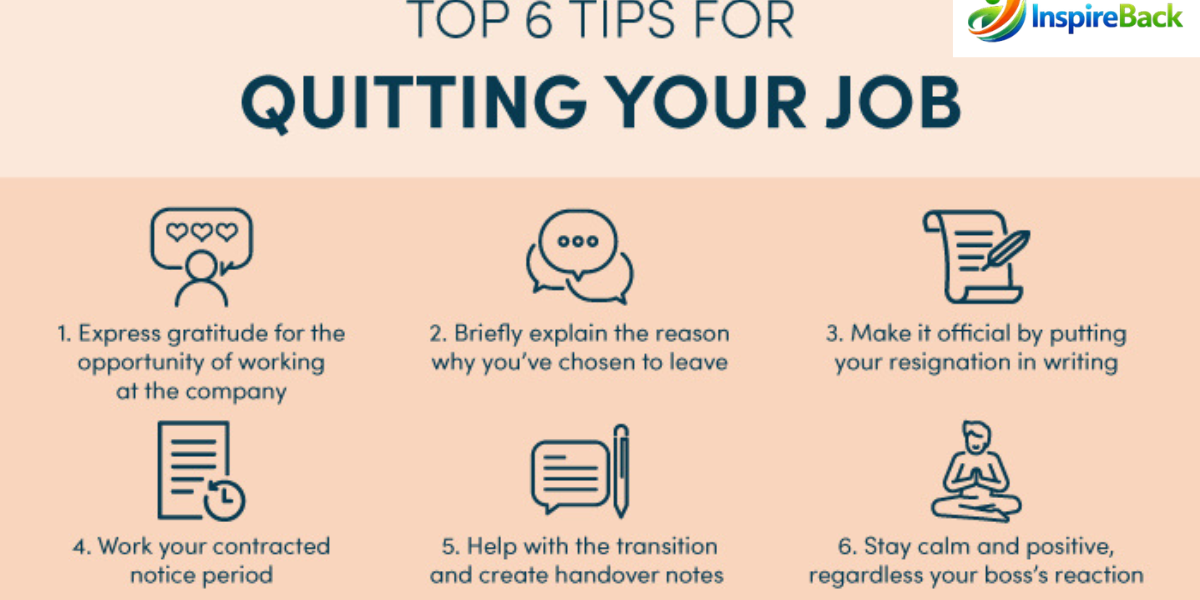
A resignation letter is a formal step in how to quit a job professionally. Keep it short and respectful. Mention your last working day, express appreciation, and offer help during the transition. There is no need to explain every detail or include negative feedback.
A clear and polite letter ensures there is no confusion and sets the tone for a smooth exit. It also reflects your professionalism, even if your experience at the company was not perfect.
Speak to Your Manager First
One of the most important rules in how to quit a job is to inform your manager before anyone else. Schedule a private meeting and communicate your decision calmly. This shows respect and gives your manager time to respond and plan.
You don’t need to go into deep explanations. A simple statement focused on your career growth is enough. Keeping the conversation positive helps maintain a strong relationship.
Give Proper Notice
Providing notice is a key part of how to quit a job professionally. In most cases, two weeks is standard, but some roles may require more time. Giving notice allows your employer to prepare for your departure and keeps everything running smoothly.
Even if you are eager to leave, fulfilling your notice period shows integrity. It proves that you are reliable and committed, even during your final days.
Support the Transition Process
Helping your team after resigning is an important step in how to quit a job the right way. Document your tasks, share important information, and assist colleagues who will take over your responsibilities.
A smooth handover reduces stress for your team and leaves a strong final impression. Employers remember employees who make the transition easier, and this can benefit your future references.
How to Handle Counteroffers and Reactions
When you resign, your employer may try to keep you with a counteroffer. This is a normal part of how to quit a job, but it requires careful thinking. A higher salary or better title might seem attractive, but it may not solve the original reasons you wanted to leave.
You should also be prepared for different reactions. Some managers will be supportive, while others may be surprised or disappointed. Staying calm and professional in every situation is essential. This is where understanding how to quit a job professionally truly makes a difference.
What Not to Do When Quitting a Job
Knowing what to avoid is just as important as knowing how to quit a job. One of the biggest mistakes is leaving without notice unless absolutely necessary. This can damage your reputation and make future opportunities more difficult.
Another mistake is speaking negatively about your employer or coworkers. Even if you had a bad experience, it’s better to stay professional. Avoid emotional decisions, arguments, or sudden exits. These actions can undo years of hard work and relationships.
Your Final Days at Work
Your last days are a critical part of how to quit a job professionally. Continue working with the same level of effort and commitment. Avoid disengaging early or treating your remaining time casually.
Take time to thank your colleagues and say goodbye properly. Building and maintaining relationships is valuable for your future. A positive exit leaves the door open for opportunities, references, and networking.
A Simple Checklist Before You Quit
To make how to quit a job easier, follow this quick checklist:
- Confirm your next step or job offer
- Review your contract and notice period
- Prepare your resignation letter
- Plan your conversation with your manager
- Organize your work and responsibilities
- Maintain professionalism until your last day
Following this checklist helps you stay organized and ensures nothing important is missed.
Conclusion
Learning how to quit a job is an essential skill that goes beyond simply leaving a position. It’s about handling a transition with professionalism, clarity, and respect. By preparing carefully, communicating effectively, and supporting your team, you can leave your job on good terms and protect your future opportunities.
A thoughtful approach to how to quit a job professionally ensures that your career continues to grow in the right direction. Every step you take during this process shapes your reputation, so it’s always worth doing it the right way.
Frequently Asked Questions
How do I quit a job politely?
Speak respectfully, give proper notice, and express gratitude. Keeping your tone positive is key.
Is it okay to quit without another job?
Yes, but only if you are financially prepared. Planning ahead is important when deciding how to quit a job safely.
What should I say when resigning?
Keep it simple: state your decision, mention your last day, and thank your employer.
Should I accept a counteroffer?
Only if it solves your main concerns. Otherwise, it may delay the need to leave again.
How do I leave a toxic job?
Focus on your well-being, plan your exit carefully, and remain professional throughout the process.
Also Read: david corenswet superman