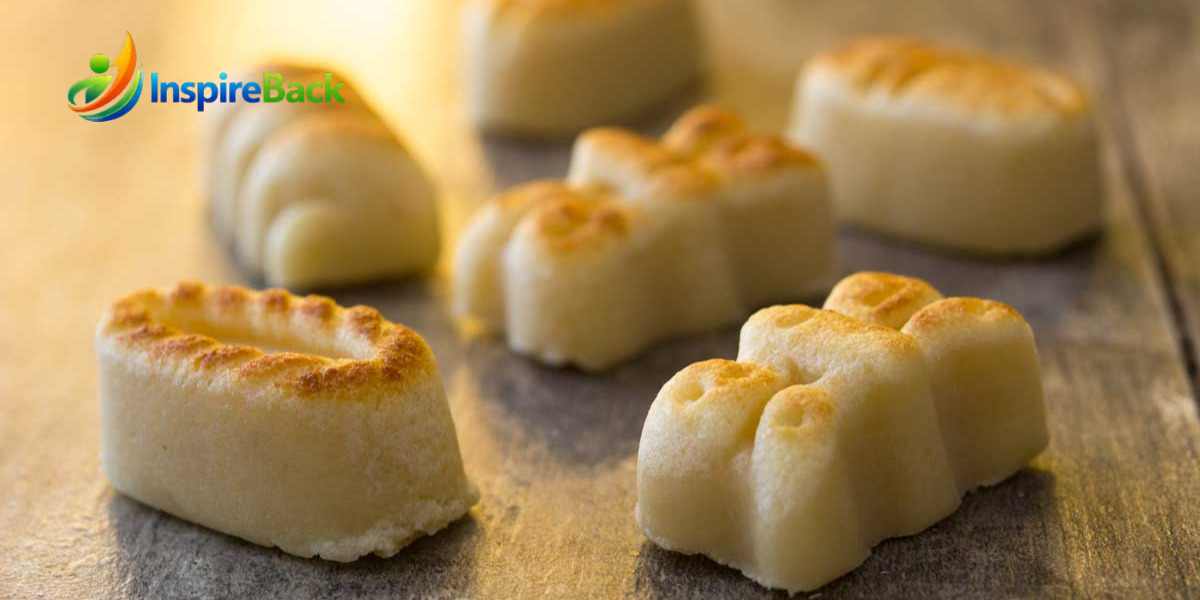

Mazapan is a beloved confection that has captured the hearts of sweet lovers across the globe, particularly in Mexico where it holds a special cultural place. Known for its delicate, crumbly texture and rich peanut flavour, mazapan is a simple yet irresistible treat made primarily from ground peanuts and sugar. Unlike many other candies, it melts in your mouth almost instantly, offering a unique sensory experience that keeps people coming back for more. Its affordability, accessibility, and nostalgic appeal make it a staple in households, street markets, and festive celebrations.
Over the years, mazapan has evolved from a traditional sweet into a globally recognised dessert component. Its growing popularity on social media and in international cuisine has introduced it to new audiences who are eager to explore its distinct taste. Whether enjoyed on its own or incorporated into modern desserts like cakes and milkshakes, mazapan continues to prove its versatility. This article explores everything you need to know about mazapan, from its origins and ingredients to its uses and nutritional value.
The History and Origin of Mazapan
The history of mazapan is deeply intertwined with the culinary traditions of both Europe and Latin America. While mazapan is distinctly Mexican, its roots can be traced back to marzipan, a sweet almond-based confection that originated in the Middle East and became popular in Spain. When Spanish colonisers arrived in the Americas, they brought marzipan recipes with them. However, due to the scarcity and high cost of almonds in Mexico, peanuts became a practical and affordable substitute, giving rise to what we now know as mazapan.
As time passed, mazapan became an integral part of Mexican confectionery culture. It was widely produced and distributed, especially during the 20th century when commercial candy manufacturing expanded. The treat quickly gained popularity among children and adults alike, thanks to its sweet flavour and satisfying texture. It became a symbol of simplicity and tradition, often associated with childhood memories and local festivities.
Today, mazapan is not just a nostalgic treat but also a cultural icon. It represents the blending of old-world influences with local innovation, showcasing how traditional recipes can adapt and thrive in new environments. Its continued popularity is a testament to its timeless appeal and cultural significance.
Ingredients Used in Mazapan
Mazapan is celebrated for its simplicity, as it requires only a handful of ingredients to create its signature taste and texture. The primary components include finely ground peanuts and powdered sugar. These ingredients are combined and pressed into small, round discs that are easy to handle but famously delicate. Some variations may include a hint of vanilla or other flavourings to enhance the overall taste, but the classic recipe remains minimalistic.
The choice of peanuts plays a significant role in determining the flavour profile of mazapan. Roasted peanuts are typically used to bring out a deeper, nuttier taste, while the sugar adds sweetness and helps bind the mixture together. Unlike marzipan, which uses almonds and often includes egg whites, mazapan maintains a crumbly texture without the need for additional binding agents.
In recent years, manufacturers and home cooks have experimented with alternative ingredients to cater to different dietary preferences. For example, some versions use natural sweeteners instead of refined sugar, while others incorporate chocolate or coconut for added variety. Despite these innovations, the essence of mazapan remains rooted in its simple yet satisfying ingredient list.
How Mazapan Is Made
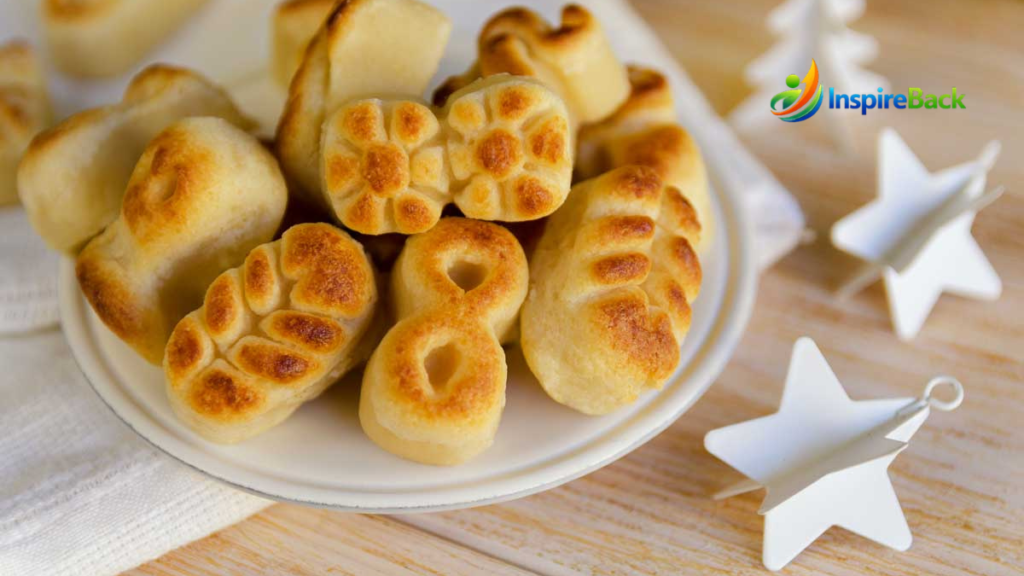
The process of making mazapan is straightforward, yet it requires precision to achieve the perfect texture. Traditionally, peanuts are ground into a fine powder, ensuring there are no large chunks that could disrupt the smooth consistency. The powdered peanuts are then mixed with sugar until a uniform blend is achieved. This mixture is carefully pressed into moulds to form the iconic round shapes associated with mazapan.
In industrial settings, the production process is more streamlined and involves specialised machinery to ensure consistency and efficiency. Large batches of peanuts are processed and combined with sugar under controlled conditions, allowing manufacturers to produce thousands of pieces in a short period. Despite the scale, the goal remains the same: to preserve the crumbly, melt-in-your-mouth quality that defines mazapan.
For those who prefer a homemade approach, making mazapan can be a rewarding experience. It allows for customisation in terms of sweetness and flavour, giving individuals the freedom to experiment. The key to success lies in achieving the right balance between the peanuts and sugar, as too much of either can affect the final texture. With a little practice, anyone can create their own delicious version of this classic treat.
Types and Variations of Mazapan
Mazapan has evolved beyond its traditional form, with numerous variations available to suit different tastes and preferences. The classic peanut mazapan remains the most popular, but modern adaptations have introduced exciting new flavours and combinations. Chocolate-coated mazapan, for instance, adds a layer of richness that complements the nutty base, while flavoured versions such as vanilla or coconut offer a unique twist.
Another growing trend is the use of mazapan as an ingredient in other desserts. It is often crumbled over ice cream, blended into milkshakes, or used as a filling in cakes and pastries. These creative applications have helped mazapan reach a wider audience, demonstrating its versatility and adaptability in contemporary cuisine.
Artisanal and gourmet versions of mazapan are also gaining popularity, with some producers focusing on high-quality ingredients and innovative presentations. These premium products often feature unique packaging and flavour profiles, making them ideal for gifting or special occasions. Despite these variations, the essence of mazapan remains unchanged, rooted in its simple yet delightful composition.
Nutritional Value and Health Considerations
Mazapan is a sweet treat that should be enjoyed in moderation, as it is relatively high in sugar and calories. A typical serving contains a combination of carbohydrates, fats, and protein, primarily derived from peanuts. While peanuts are a good source of healthy fats and protein, the added sugar can contribute to increased calorie intake if consumed excessively.
On the positive side, mazapan does offer some nutritional benefits due to its peanut content. Peanuts are rich in essential nutrients such as vitamin E, magnesium, and antioxidants, which can support overall health. However, it is important to be mindful of portion sizes, especially for individuals who are monitoring their sugar intake or managing dietary conditions.
Allergies are another important consideration, as peanuts are a common allergen. Individuals with peanut allergies should avoid mazapan entirely to prevent adverse reactions. For others, enjoying mazapan as an occasional treat can be a satisfying way to indulge in something sweet without overindulging.
Mazapan vs Marzipan: Key Differences
Mazapan and marzipan are often confused due to their similar names, but they are distinct in both ingredients and texture. Mazapan is made from peanuts and sugar, resulting in a crumbly and delicate consistency. In contrast, marzipan is typically made from almonds, sugar, and sometimes egg whites, giving it a smoother and more pliable texture that can be easily shaped.
The flavour profiles of the two sweets also differ significantly. Mazapan has a rich, nutty taste with a slightly roasted flavour, while marzipan offers a sweeter, more subtle almond taste. These differences make each confection unique and suitable for different culinary applications.
Culturally, mazapan is strongly associated with Mexican cuisine, while marzipan is more common in European desserts. Understanding these distinctions helps appreciate the unique qualities of each treat and prevents confusion when exploring international sweets.
How to Store Mazapan Properly
Proper storage is essential to maintaining the quality and freshness of mazapan. Due to its crumbly nature, it should be kept in a cool, dry place away from direct sunlight. Exposure to heat or humidity can cause the candy to lose its structure and become overly soft or sticky.
Packaging also plays a crucial role in preserving mazapan. Keeping it in its original wrapping or storing it in an airtight container can help prevent moisture from affecting its texture. It is important to handle mazapan carefully, as it can easily break apart if subjected to pressure or rough handling.
When stored correctly, mazapan can last for several weeks without losing its flavour. However, it is always best to check for signs of spoilage, such as changes in smell or texture, before consumption. Proper storage ensures that every bite remains as enjoyable as the first.
Conclusion
Mazapan is more than just a sweet treat; it is a cultural symbol that reflects tradition, innovation, and simplicity. From its humble beginnings as a peanut-based alternative to marzipan to its current status as a globally recognised confection, mazapan has stood the test of time. Its unique texture, rich flavour, and versatility make it a favourite among people of all ages.
As the world continues to embrace diverse culinary experiences, mazapan remains a shining example of how traditional recipes can adapt and thrive. Whether enjoyed on its own or incorporated into modern desserts, it offers a delightful taste of Mexican heritage. By understanding its history, ingredients, and uses, one can fully appreciate the charm and appeal of this iconic sweet.
Frequently asked questions
What is mazapan made of?
Mazapan is primarily made from ground peanuts and sugar.
Is mazapan the same as marzipan?
No, mazapan uses peanuts while marzipan is made from almonds.
Is mazapan gluten-free?
Yes, traditional mazapan is naturally gluten-free.
Can I make mazapan at home?
Yes, it is easy to prepare using simple ingredients like peanuts and sugar.
How long does mazapan last?
It can last several weeks when stored in a cool, dry place.
Is mazapan healthy?
It contains nutrients from peanuts but should be eaten in moderation due to sugar content.
Where can I buy mazapan?
It is available in supermarkets, specialty stores, and online platforms.
Why is mazapan so crumbly?
Its crumbly texture comes from the lack of binding agents in its simple recipe.
Also Read: passport holder