
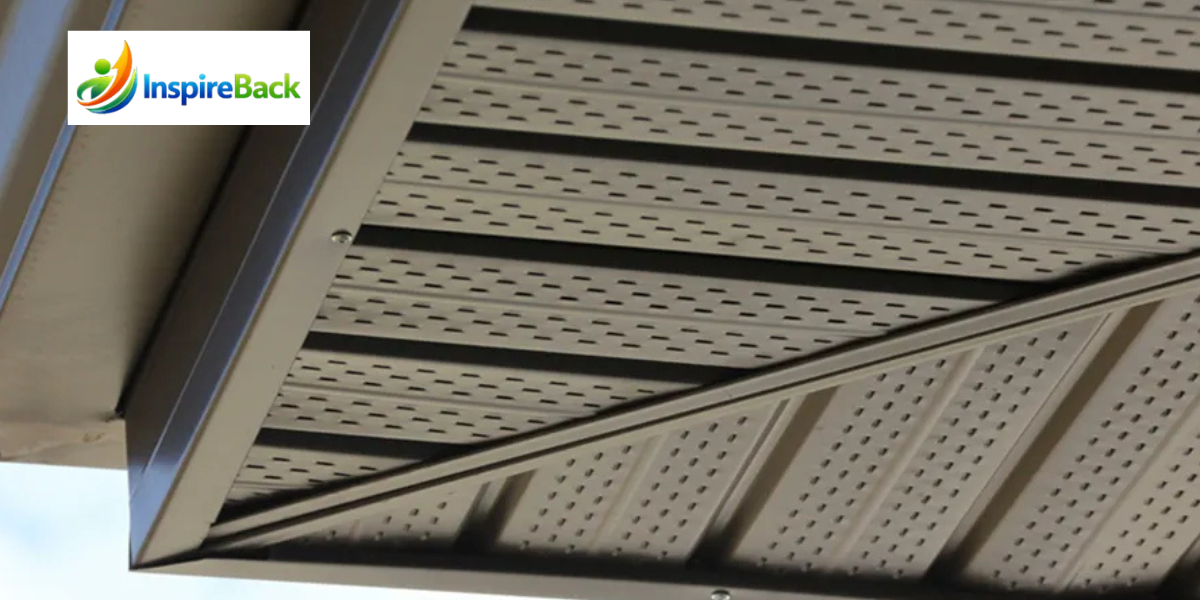

Soffit vents play a critical role in maintaining your home’s overall health by providing necessary ventilation for the attic. Without proper airflow, attics can become hot in the summer and damp in the winter, which may lead to structural damage, mold growth, and increased energy bills. These vents are installed under the eaves of your roof and allow fresh air to enter, creating a circulation system that pushes hot, stale air out through ridge or roof vents. This natural airflow prevents moisture accumulation, reduces attic temperatures, and improves the lifespan of roofing materials.
Understanding soffit vent function is essential for homeowners who wish to optimise energy efficiency and protect their investment. Proper attic ventilation can prevent ice dams, which form when heat escapes into the attic and melts snow on the roof, causing water to seep into walls and ceilings. Additionally, maintaining consistent airflow helps your HVAC system work more efficiently, reducing strain and saving on utility bills. Whether you are constructing a new home or upgrading your current ventilation system, installing and maintaining soffit vents should be a top priority for sustainable, energy-conscious living.
Soffit Vents: How They Improve Home Energy Efficiency
A well-ventilated attic has a direct impact on your home’s energy performance. By allowing cool air to enter and hot air to exit, soffit vents maintain a balanced temperature in the attic, preventing excessive heat buildup in the summer. When attics become too hot, the heat transfers to living spaces below, forcing air conditioning systems to work harder to maintain comfortable indoor temperatures. This increased energy usage can lead to higher electricity bills and a shorter lifespan for your HVAC system.
Moreover, proper attic ventilation in winter prevents warm, moist air from rising and condensing on cold roof surfaces, which could contribute to frost and ice dam formation. Ice dams can damage shingles, gutters, and ceilings, potentially leading to expensive repairs. Soffit vents, when paired with ridge or roof vents, create a “push-pull” ventilation system that keeps air circulating efficiently, ensuring your home remains energy-efficient year-round. Investing in quality soffit vents and ensuring they are correctly installed can result in long-term energy savings and a more comfortable living environment for your family.
Soffit Vents: Installation Tips for Maximum Airflow
Installing soffit vents correctly is crucial to achieving optimal attic ventilation. Begin by determining the right number of vents for your attic size; too few vents can reduce airflow, while too many may disrupt insulation coverage. The general guideline is to provide 1 square foot of vent area per 150 square feet of attic floor space. Additionally, ensure vents are evenly spaced along the eaves to create a consistent airflow pattern. This uniformity allows air to flow smoothly into the attic, preventing hot or moist air pockets from forming.
When installing, it’s important to maintain a clear path between the soffit vents and the attic space. Insulation should not block airflow, as this reduces the effectiveness of the ventilation system. Baffles, or insulation channels, can be installed to maintain an open pathway for air. For DIY enthusiasts, measuring accurately and using high-quality vent materials such as vinyl or aluminium ensures durability and long-lasting performance. For homeowners unsure about installation techniques, consulting a professional contractor can guarantee a properly ventilated attic, saving potential costs and issues in the future.
Soffit Vents: Common Problems and How to Fix Them
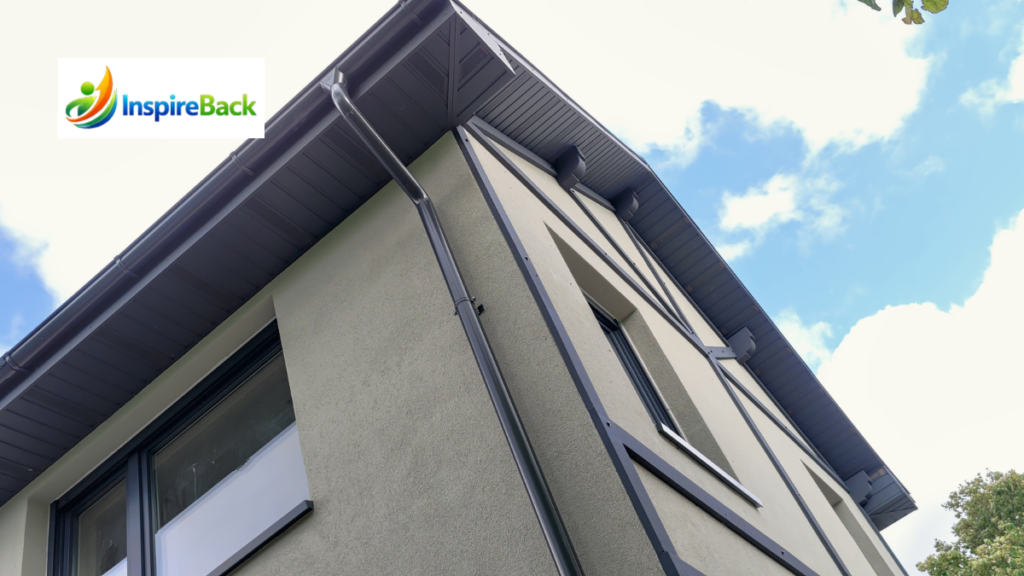
Even the best soffit vents can encounter problems over time, often caused by weather, debris, or pest infestation. One common issue is blockage from dust, leaves, or insulation, which reduces airflow and can create damp, hot conditions in the attic. Regular inspection and cleaning can prevent these blockages. Additionally, improper installation or the use of low-quality materials may lead to vent warping, cracking, or detachment, all of which compromise ventilation efficiency.
Pests such as birds, squirrels, or insects may also enter through unprotected vents, causing damage and hygiene concerns. Installing vent covers or screens can effectively block unwanted intruders while maintaining airflow. Another frequent problem is poor airflow distribution caused by inadequate vent spacing or blocked insulation pathways. Addressing these issues may require repositioning vents, adding more vents, or installing baffles to direct air properly. By proactively identifying and resolving common soffit vent problems, homeowners can preserve attic health, prevent costly repairs, and ensure consistent energy efficiency throughout the year.
Soffit Vents: Maintenance Tips to Avoid Costly Repairs
Regular maintenance of soffit vents is essential to ensure your attic ventilation system operates efficiently. Begin with seasonal inspections, checking for debris, mold, or signs of pest intrusion. Cleaning vents with a brush or vacuum removes dust and leaves that may obstruct airflow. Additionally, inspect for physical damage such as cracks or warping, which may occur due to extreme weather or ageing materials. Prompt repairs can prevent minor issues from escalating into costly structural damage.
Another maintenance tip is monitoring insulation coverage. Over time, insulation may shift and block airflow from soffit vents, undermining the entire ventilation system. Installing baffles or adjusting insulation placement can restore optimal airflow. Also, keep an eye on the roof and ridge vents to ensure the “push-pull” system functions correctly. Well-maintained soffit vents not only protect your roof and attic but also enhance energy efficiency, prolong the lifespan of your HVAC system, and contribute to a comfortable living environment.
Conclusion
Soffit vents are an essential component of any well-ventilated home. They not only help regulate attic temperature and prevent moisture buildup but also enhance energy efficiency and extend the lifespan of your roof. Proper installation, regular maintenance, and timely repairs can prevent common problems such as blockages, pest infestations, and structural damage. By understanding how soffit vents work and investing in quality materials, homeowners can create a healthy, comfortable, and energy-efficient living environment. Prioritizing attic ventilation ensures long-term savings, better indoor air quality, and protection for your home’s structural integrity.
Frequently Asked Questions
1. What are soffit vents and why are they important?
Soffit vents allow fresh air into the attic, preventing moisture buildup and improving energy efficiency.
2. How many soffit vents do I need for my attic?
Use 1 sq. ft. of vent area per 150 sq. ft. of attic floor space for proper airflow.
3. Can I install soffit vents myself?
Yes, DIY is possible, but professional installation ensures correct placement and airflow.
4. How do I maintain soffit vents?
Clean debris, inspect for damage, and ensure insulation doesn’t block airflow.
5. What are common soffit vent problems?
Blockages, pests, damage, and poor airflow are common issues with soffit vents.
6. Do soffit vents improve energy efficiency?
Yes, they reduce attic heat, lowering HVAC strain and energy bills.
Also Read: beret hat